




Looking to open a new credit card? You may find yourself going back and forth between two different types: Cashback and travel rewards credit cards. Both are incredible financial tools that, if you use them right, can actually save you money.
Depending on your lifestyle and personal goals, one may be a better choice than the other. With cashback cards, you’ll get money back on the spending you do on the card. With travel rewards cards, you’ll earn points on your purchases that you can redeem for free flights and hotels for you and your loved ones to take that much-needed vacation. Better yet, some cards meet in the middle, giving you the option to redeem your rewards for cash or travel.
But let’s make one thing clear: Credit cards are serious business. You should never apply for a credit card if you’re already in debt, and never charge more to a credit card than you can afford to pay off immediately. Any points or cash back you might earn from a credit card aren’t worth it.
So which type of card should you choose? Read on as we break down the pros and cons of cashback versus travel rewards cards.
Travel Rewards Credit Cards
Want to travel without breaking the bank? Travel rewards credit cards are the way to go.
With travel rewards cards, you’ll earn points and miles on your purchases that you can redeem for free (or nearly free) flights and hotels. Additionally, these cards offer a range of useful travel perks and benefits that can make your trip to the airport more enjoyable.
Here’s what to consider before applying for a travel rewards card.
Benefits of Travel Rewards Cards
Welcome Bonus
Travel rewards cards typically come with big welcome offers that could net you enough points and miles to cover your next vacation. Yes … seriously!
You often have to spend more to earn the welcome offer on travel cards, but the points and miles you’ll earn can be even more valuable than cashback.
Spending Categories
Beyond a big welcome bonus, you’ll also earn points on all the purchases you put on your travel rewards card – valuable points you can put towards future trips. Similar to cashback cards, you can pile up even more points and miles in categories where you spend the most.
If you’re a bit of a foodie, the *amex gold* is worth a good, hard look. With this card, you can earn 4x the Membership Rewards points at restaurants worldwide (up to $50,000 per year, then 1x), plus 4x points at U.S. supermarkets (up to $25,000 per year, then 1x).

Travel Perks
If you want travel benefits like lounge access or complimentary TSA PreCheck®, you won’t find them on a no-annual-fee cashback credit card.
Travel rewards cards, like the *capital one venture card*, on the other hand, come with an up to $120 credit to cover a Global Entry or TSA PreCheck membership – a perk that easily offsets the $95 annual fee … at least in the first year.
Many premium travel credit cards come with complimentary airport lounge access, where you can enjoy free food and drinks and have a place to relax before your flight. For example, the American Express Platinum Card® gets you into American Express Centurion Lounges®, Delta Sky Clubs (10 visits per year, Feb. 1 – Jan. 31), and many more. Meanwhile, the *venture x* gives you access to both Capital One Lounges and Landings and Priority Pass™ lounges around the world.
With either card, you’ll look forward to your next layover rather than dread the wasted time between flights.

Travel rewards cards come with a host of other perks, too, like Capital One Venture X’s annual $300 Capital One Travel credit. Simply book a flight, hotel, vacation rental, rental car, and more through the Capital One Travel portal, and you’ll get a $300 discount each and every year. Benefits like that can take the sting out of the card’s $395 annual fee.
Plus, you typically won’t have to pay any foreign transaction fees when swiping your travel rewards card abroad.
Drawbacks of Travel Rewards Cards
Annual Fee
When it comes to the disadvantages of travel rewards cards, annual fees top the list, ranging from $95 to nearly $900. It might be hard for many cardholders to justify paying the annual fee, especially after the first year.
But keep in mind that benefits like annual travel and shopping credits can cancel out much of those annual fees … so long as you use them.
Read next: Do the Math: Don’t Rule Out Travel Cards With Annual Fees
Steep Learning Curve
The beauty of cashback cards is their simplicity. Travel rewards cards, on the other hand, can sometimes be confusing and overwhelming to use.
Earning points on a travel rewards card is easy, but redeeming them for free flights and hotels is harder. You’ll need to research which transfer partners or redemption options are best for your travel goals.
Hard to Use Credits
Sometimes, having too many perks and benefits is simply too much to handle. Trust us, we’ve been there.
Valuable benefits like the $10 monthly Uber Cash you get with the Amex Gold Card or the $100 annual hotel credit you get with the Chase Sapphire Preferred aren’t worth anything if you forget to use them.
The Amex Platinum Card – and, more recently, the Chase Sapphire Reserve – has long been perceived as an expensive coupon book, given the overwhelming number of credits and benefits available to cardholders. Many of which may not align with their normal spending or travel habits.
Top Travel Rewards Cards
Capital One Venture X Rewards Credit Card
- Welcome bonus: bonus_miles_full
- Earn 10x miles on hotel and rental car bookings through Capital One Travel
- Earn 5x miles on flights and vacation rentals through Capital One Travel
- Earn unlimited 2x miles on all other purchases
- Access to Capital One and participating Priority Pass™ Lounges
- $300 Annual Capital One Travel credit
- 10,000-mile anniversary bonus (worth a minimum of $100 towards travel) every year you renew your card (starting in year two)
- Up to $120 Global Entry or TSA PreCheck Credit.
- Annual fee: annual_fees
Learn more about the *venture x*.
Chase Sapphire Preferred
- Welcome bonus: bonus_miles_full
- Earn 3x points per dollar spent on dining, vacation homes like Airbnb & Vrbo, gas and EV charging, and online grocery purchases
- 2x points on other travel purchases.
- Earn 1x points on all other purchases
- Complimentary Apple TV (when activated by December 31, 2026 – a value of $180)
- Up to a $120 credit to cover the cost of Global Entry, TSA PreCheck or NEXUS
- Up to $100 annual hotel credit for Chase Travel℠ bookings.
- Trip Cancellation/Interruption Insurance, Purchase Protection, and more.
- Annual fee: annual_fees
Learn more about the *csp*.
Cash Back Credit Cards
Cashback credit cards are an easy way to “save” money on everyday spending.
With most of these cards, you’ll earn a small percentage of money back – either as an electronic deposit to an eligible U.S. Chase bank account or through a statement credit – on eligible purchases. Depending on the card, you may earn cash back on all spending or on specific purchases, including gas, groceries, dining, and travel.
Here’s what to consider before applying for a cashback card.
Benefits of Cashback Cards
Instant Rewards
One of the most significant benefits of a cashback card is how easy it is to earn rewards that can be used almost immediately … on anything you want.
With most cashback cards, you’ll earn a percentage back on any eligible purchases you make using that card in a month that you’ll be able to redeem at the end of your billing cycle.
Most banks allow you to get your cash back in the form of a statement credit, which you could think of as a nice discount on your credit card bill for that past month. Some banks, such as Capital One, Chase, Citi, and Wells Fargo, offer even more flexibility, allowing you to redeem your rewards as literal cash back via direct deposit or checks, or as gift cards.
Welcome Bonus
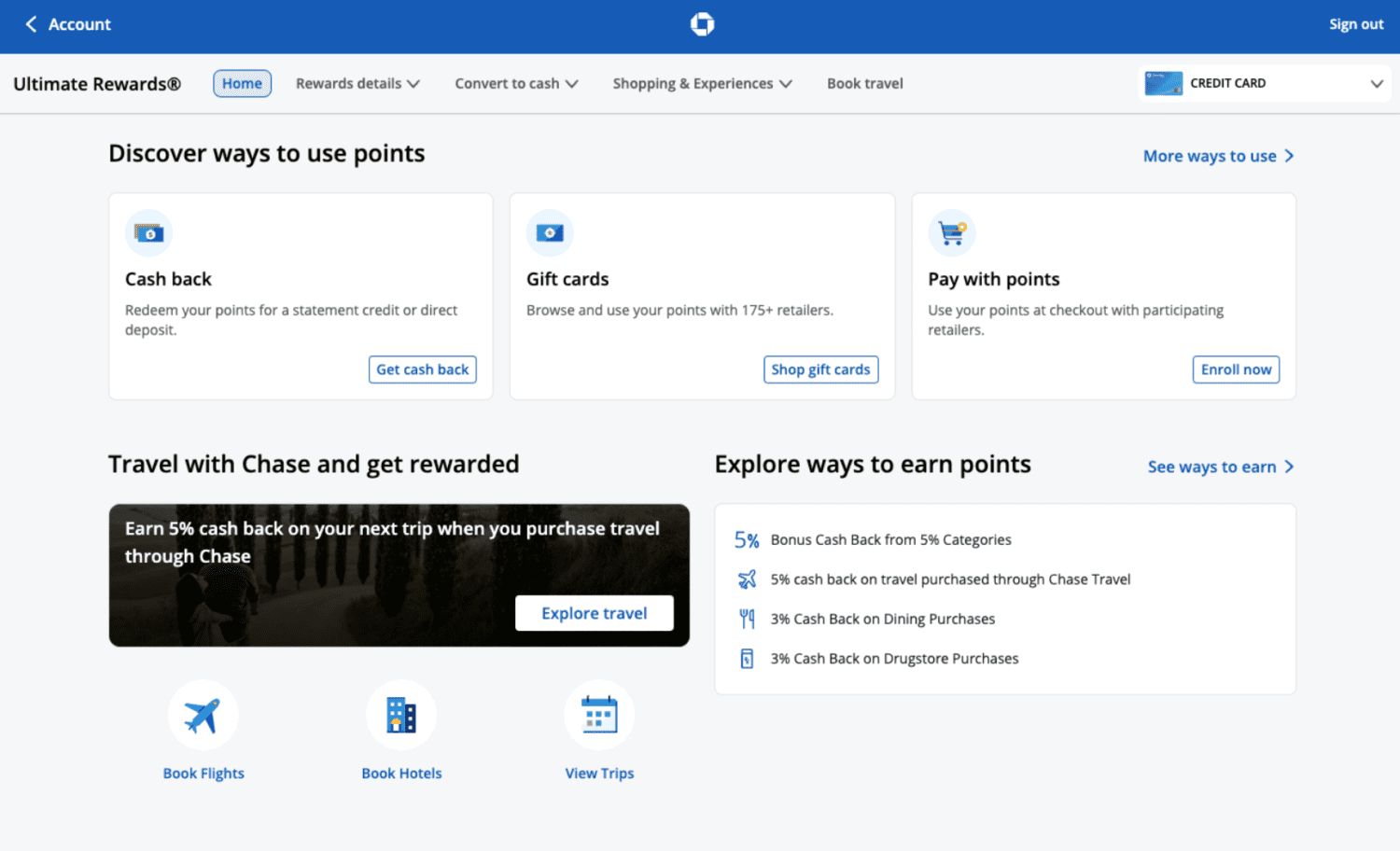
One of the main incentives for opening a new cashback credit card is often an attractive welcome offer. For example, the *chase freedom unlimited* currently comes with a big bonus offer.
bonus_miles_full You can have that money directly deposited into a Chase bank account or applied to your statement.
By simply holding the card and spending as you normally would, you’d likely hit that minimum spending requirement and earn the bonus with very little effort. That stands in stark contrast to most travel rewards cards, like the Chase Sapphire Preferred® Card, where you might have to spend 10 times that amount in the same period of time to earn a bonus.
Spending Categories
Depending on the cashback card that you hold, you could earn double or triple the amount of cash back in the categories you spend the most in.
If you are a foodie who dines out on the regular, the *Capital One Savor* could earn you 3% cash back at restaurants, grocery stores, as well as entertainment and popular streaming services.
There’s likely a cashback card on the market that fits your spending habits – and could earn you some sweet rewards on those purchases.

No Annual Fee
Most cashback cards have no annual fee, meaning you don’t have to pay to play.
Unlike travel reward credit cards, which typically come with annual fees ranging from $95 to nearly $900, you can earn cashback without the steep price tag.
That means these are cards that you could keep open for the long haul – your credit score will thank you!
Read more: 4 Credit Card Myths You Should Stop Believing
Drawbacks of Cashback Cards
Bonus Offers are Typically Smaller
The biggest drawback to picking up a new cash rewards credit card is that you’ll likely be forgoing the big bonus offers you’ll find on most top travel cards.
That’s not to say that cashback cards don’t come with bonuses, period. But in most cases, whatever the bank is offering will pale in comparison to the value of the six-digit offers that have become commonplace on cards like the American Express Platinum Card® and the Chase Sapphire Reserve®.
For many, the allure (and value) of a big stash of points or miles right out of the gate is enough to make travel rewards cards the clear choice.
Related reading: 18 Cards With Bonus Offers of 100K (or more!)
Foreign Transaction Fees
If you are traveling overseas, you will find that cashback cards are a pain to use abroad. Most of these cards charge foreign transaction fees, and you may have to call your bank to notify them that you plan to use your card outside the U.S.
Swiping your cashback card while abroad simply doesn’t make sense in most cases. Whatever rewards you’re earning on those purchases aren’t enough to offset the foreign transaction fees the bank is charging.
Plus, you won’t get any useful travel perks like lounge access or free checked luggage with cashback cards. If you’re a frequent flier, you’ll be better served with a travel rewards card.
Redemption Limitations
The form of cash back that you earn on these cards will vary.
With Chase, Capital One, Wells Fargo, and Citi cards, you can redeem your cash back via direct deposit or as a statement credit. These banks also allow you to convert your cash back into points to redeem for flights and hotel bookings – but in some cases, you’ll need to hold a corresponding travel rewards card to do so.
With American Express, there’s no path to convert cash back into Membership Rewards points. Plus, you’re limited to getting your cash back rewards as statement credits and don’t have the option to convert your rewards into other forms of payment, like you can with other banks.
Top Cashback Credit Cards
Chase Freedom Unlimited
- bonus_miles_full
- Earn 3% cash back on restaurants, takeout, and eligible delivery services.
- Earn 3% cash back on drugstore purchases.
- Earn 5% cash back on travel booked through Chase Travel℠.
- Earn 1.5% cash back on all other purchases.
- No annual fee
Learn more about the *freedom unlimited*.
*Capital One Savor*
- Welcome bonus: bonus_miles_full
- Earn 3% cash back on dining, entertainment, streaming services, and grocery store purchases (excluding superstores like Target and Walmart).
- Earn 5% cash back on travel booked through the Capital One Travel portal.
- Earn 8% cash back on Capital One Entertainment purchases.
- Earn 1% cash back on all other purchases.
- No annual fee
Learn more about the *Capital One Savor*.
Bottom Line
There is no clear winner between cashback and travel rewards credit cards. It’s a personal decision based on your spending habits, financial goals, and what you find most useful in a credit card.
Whether you want to save a little on your everyday purchases or you aspire to travel more, both types of cards are rewarding in their own way.




The answer I would really like is which (if any) travel card provides MORE value than the typical 2% cash back card per dollar spent?
Thanks for this timely article – I’ve been going back and forth on the next type of credit card to open so this is helpful! Psychologically finding it hard to ditch the Delta AmEx since we fly Delta 95% of the time – but we don’t check bags anymore (thanks to TTs great articles!) and know that we can be scoring more Skymiles other ways. I’m intrigued by the Chase card with the double cash back for a year – not paying a $95 fee and just putting that money we get back into more travel at cash prices could be hit-or-miss. So many things to consider! Great read.