


There are two ways to skip the customs line when you land back in the United States: Pay $120 for a government-vetted membership, or download a free app. One of those options is significantly faster. The other requires zero effort (or cost) to get started.
That’s the heart of the Global Entry vs. Mobile Passport Control debate – and the answer isn’t as obvious as you’d think.
Both programs are run by the U.S. Customs and Border Protection (CBP) agency. Both get you into a shorter, dedicated lane when you return from an international trip. And both beat standing in the standard immigration line that can stretch an hour or more at some busy international gateways.
But here’s where they split: Global Entry costs $120 for a five-year membership and includes TSA PreCheck. Mobile Passport Control is a free app with no background check, no interview, and no enrollment – just download it, fill in your travel information, and you’re good to go.
The question isn’t really “which is better.” It’s “which one makes sense for you” – and for plenty of travelers, the right answer is actually both.
The Basics of Both Programs
Global Entry and Mobile Passport Control both aim to solve the same problem: getting you through U.S. customs faster after returning from an international flight. But they go about it in very different ways.
Global Entry
Global Entry is a Trusted Traveler Program that requires a background check and an in-person interview. Once you’re approved, you skip the standard immigration line entirely – using a dedicated kiosk, a facial recognition scan, or the Global Entry mobile app.
In most cases, you won’t stop walking for more than two minutes. And it comes with TSA PreCheck included, which means you’ll also skip the security line on your way out of the country – even on domestic flights.
Mobile Passport Control
Mobile Passport Control (MPC) is a free CBP app that lets you submit your passport information and customs declaration on your phone before you reach the customs hall.
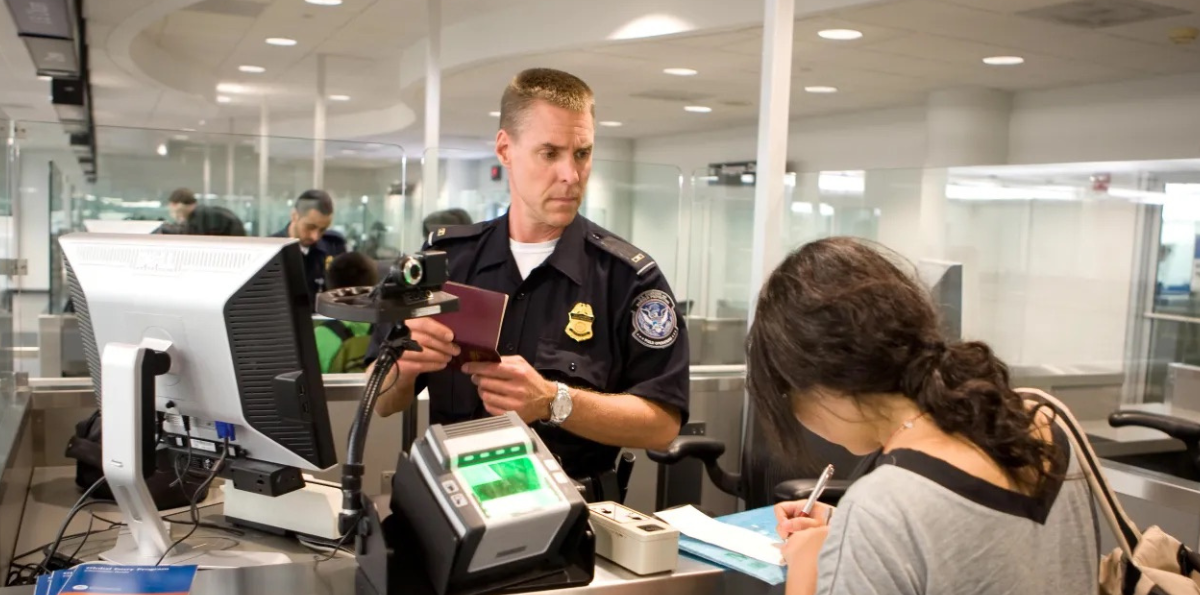
You still speak briefly with a CBP officer, but in a dedicated MPC lane that moves much faster than the standard line. There’s no application process – you just download the app and use it.
Think of Global Entry as the premium product and MPC as the surprisingly capable free alternative.
Global Entry Overview
Global Entry has been around since 2008 and is, by most measures, the best thing an international traveler can do to improve the back half of every trip abroad.
Here’s how it works in practice. When you land from an international flight, you follow the signs toward customs and immigration. The Global Entry line is typically a fraction of the size of the standard line – and at most major airports these days, you don’t even need to scan your passport at a kiosk. Newer facial recognition technology scans your face automatically as you enter the immigration hall, processes your arrival, and directs you to an officer to hand off a printed receipt.
The whole process takes minutes, and at smaller airports with international service, it can take seconds.
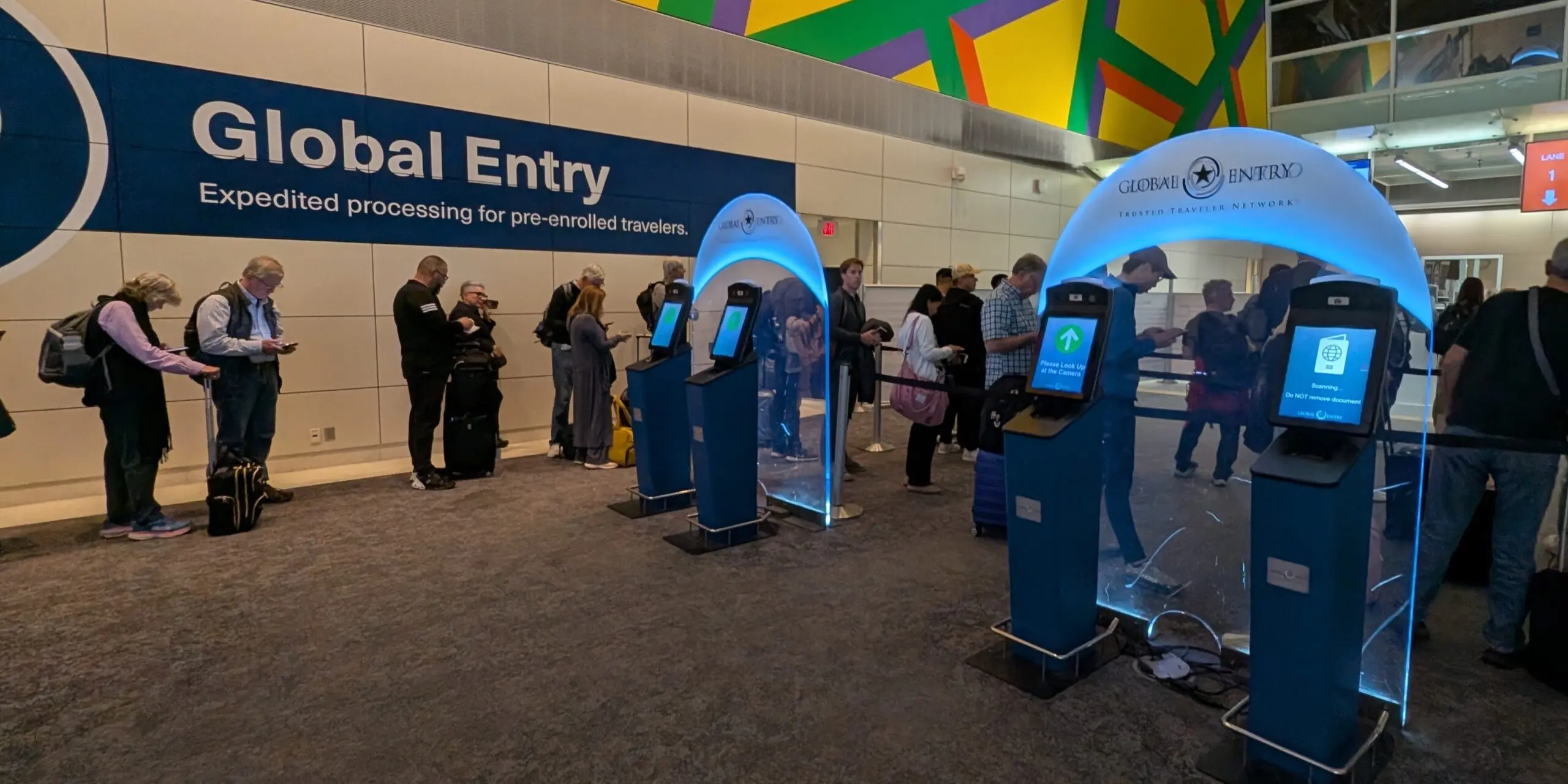
Global Entry costs $120 for a five-year membership – and critically, that membership also includes TSA PreCheck. That means the next time you’re flying anywhere (domestic or international), you can keep your shoes on, keep your laptop in your bag, and walk through a faster security lane before your flight. Getting both programs for $120 total over five years is legitimately one of the best deals in travel.
The bigger obstacle is the enrollment process itself. To get Global Entry, you need to do the following:
- Submit an application through the CBP Trusted Traveler Program website – it takes about 10 to 20 minutes and requires five years of employment and address history, plus your international travel history
- Wait for conditional approval: This can take days or even months, though some travelers have been getting it done, start-to-finish, in under a month.
- Schedule and complete an in-person interview at an airport enrollment center or CBP office. The interview itself is short, but getting one scheduled can be the most frustrating part of the whole process. Availability fills fast, and at major hubs it can take weeks or even months. Paid services like Appointment Scanner monitor the CBP scheduling system around the clock and alert you the moment a slot opens up. Enrollment on Arrival is another quick workaround that lets you complete the interview upon arrival after an international trip.
Read more: 6 Ways to Get a Global Entry Appointment Faster
One other upside worth mentioning: Your Global Entry card is now a valid Real ID alternative, so you can use it to board a domestic flight without upgrading your driver’s license.
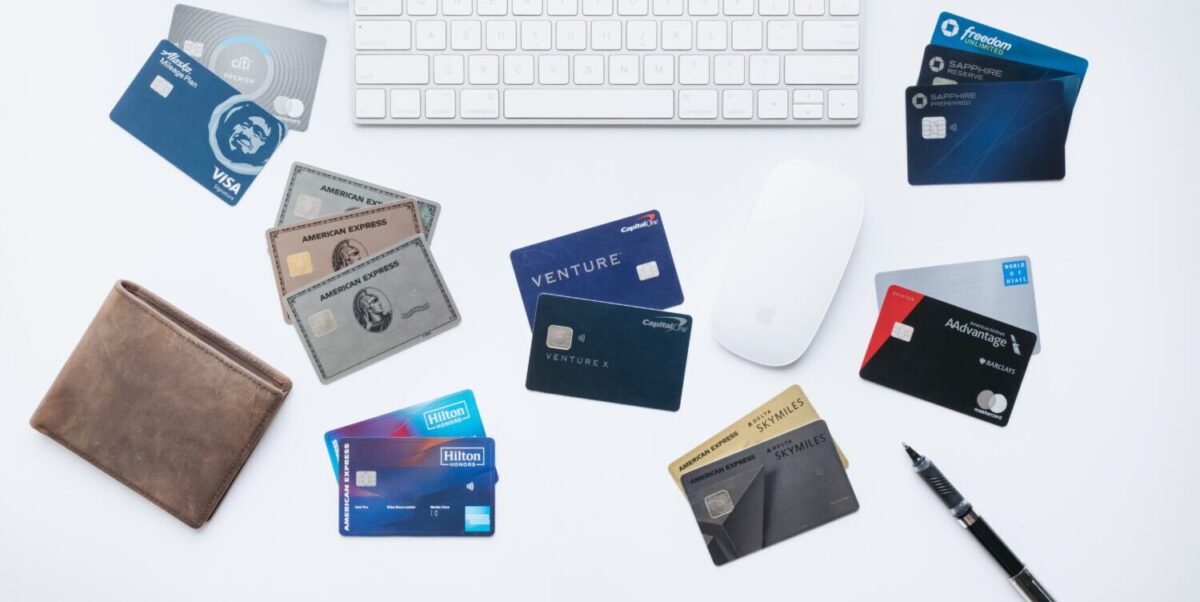
Plenty of travel credit cards cover the entire $120 enrollment cost, so if you have any of those in your wallet, Global Entry is effectively free.
Read more: The Top Cards That Cover Global Entry or TSA PreCheck
Mobile Passport Control Overview
Mobile Passport Control doesn’t get nearly the attention it deserves. It’s free, it works at most major international airports in the U.S., and it can cut your wait at customs from an hour to a few minutes – with nothing more than an app download.
Here’s how it works: Once you land in the U.S. after an international trip, you create a profile in the MPC app with your passport information. Just open the app, confirm your arrival airport, snap a selfie, and answer the standard customs declaration questions. The whole thing takes a few minutes, and it’s easy to knock out while taxiing to the gate or walking to customs.
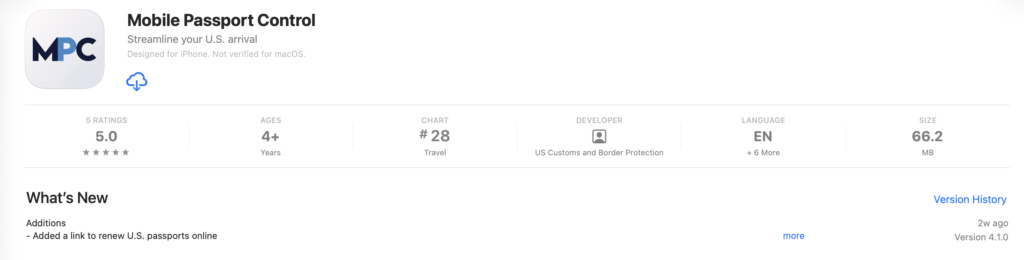
The app generates a QR code that’s valid for three hours. When you reach the customs hall, look for the dedicated Mobile Passport Control lane. Hand your passport to a CBP officer, let them scan your QR code, and you’ll typically be through in just a few minutes.
You still have to speak with an officer, but the MPC lane is typically much shorter than the standard immigration line, and the interaction is typically brief. Case in point: On a recent return from Switzerland, I landed at Chicago O’Hare (ORD) and the standard line stretched back hundreds of people. Meanwhile, we were through in a matter of minutes using the MPC lane.
MPC is available at more than 37 U.S. airports and 14 international pre-clearance locations, including most major international gateways: Los Angeles (LAX), New York (JFK), Chicago O’Hare (ORD), Miami (MIA), Minneapolis-Saint Paul (MSP), Dallas/Fort Worth (DFW), and many more.
As long as you’re a U.S. citizen, a lawful permanent resident, or a Canadian visitor traveling on a B1 or B2 visa, you can use the service. There’s no background check, no interview, and most importantly, no fee to use it.
Global Entry vs. Mobile Passport Control: Head-to-Head
Here’s how the two programs stack up across the factors that matter most.
Cost
Global Entry costs $120 for five years – though if you have a credit card that covers the fee, that largely doesn’t matter. MPC costs nothing, period.
Enrollment
This is Global Entry’s biggest friction point. Complete the application, a background check, wait for conditional approval, and schedule an interview – it’s a process that can stretch for months at its worst. MPC is both quick and easy.
Speed at Customs
Global Entry wins, and it’s not particularly close. At most airports, Global Entry members walk through facial recognition or tap a kiosk and are done before people in the MPC line reach the officer window.
The Global Entry process, at its best, means you barely stop moving. MPC still requires a brief officer interaction, which adds a small amount of time even in a short line.
What’s Included Beyond Customs
Global Entry comes bundled with TSA PreCheck, which is worth up to $85 on its own. MPC doesn’t touch the security experience on your way out – it only applies to customs on your way in.
Airport Coverage
Both programs cover most of the major U.S. international airports. Global Entry has a slight edge in total coverage, but the difference is minimal for most travelers.
Eligibility
Global Entry is available to U.S. citizens and lawful permanent residents, as well as citizens of select other countries, including Argentina, India, Colombia, South Korea, and several others. MPC has slightly broader eligibility, extending to Canadian visitors on certain visas as well.
Flexibility as a Backup
This one goes to MPC. Because it requires no pre-enrollment, you can use it on any trip, at any time, at any participating airport – including when something goes wrong with Global Entry.
When Global Entry was suspended during the federal government shutdown earlier this year, MPC kept working. For Global Entry members who traveled internationally during that period, MPC was a great workaround.
Can You Use Both?
Yes, and if you travel internationally regularly, you should.
Having MPC on your phone as a backup costs nothing and takes only a few minutes to set up. There’s no reason not to have it, even if you’re a longtime Global Entry member.
Global Entry kiosks occasionally go down, and your known traveler number (KTN) doesn’t always populate on an international itinerary. MPC is an easy fallback that requires no pre-planning beyond having the app installed.
I keep MPC on my phone specifically for situations where Global Entry isn’t working as expected … and the recent shutdown made that more relevant than ever.
Which One Is Right for You?
Get Global Entry If:
- You travel internationally at least once a year
- You want TSA PreCheck included in the deal
- You have a credit card that covers the enrollment fee (if so, there’s almost no reason not to)
- You’re comfortable with the enrollment timeline and willing to do the legwork upfront
Get Mobile Passport Control (MPC) If:
- You travel internationally once every few years and can’t justify the fee or the enrollment process for Global Entry
- You’re waiting on your Global Entry application and want faster customs in the meantime
- You want a zero-friction backup option, even as a Global Entry member
- Your arrival airport supports MPC, and you don’t feel like standing in the standard line
If you travel internationally even once a year – and especially if a credit card you already carry covers the fee – Global Entry is worth getting. The TSA PreCheck inclusion alone makes it one of the best deals in travel, and the customs experience is noticeably faster than even MPC at its best.
But MPC fills a real gap. It’s not a substitute for frequent international travelers. It is a legitimately useful tool for everyone else, and a smart backup option even for those who do have Global Entry.
FAQs
Does MPC Give You TSA PreCheck?
No. Mobile Passport Control only applies to the customs process when you re-enter the United States. It does not provide any security benefits on your way out of the country.
For TSA PreCheck, you can either enroll directly ($85 for 5 years) or get Global Entry, which includes PreCheck.
Can You Use MPC If You Already Have Global Entry?
Yes. The two programs aren’t mutually exclusive, and there’s no downside to having MPC on your phone as a backup. When Global Entry kiosks are unavailable – whether due to a government shutdown, technical issues, or a missing KTN on your boarding pass – MPC gives you a faster option.
Is MPC Slower Than Global Entry?
Generally, yes. Global Entry at its best gets you through customs without stopping – a facial recognition scan, a quick kiosk interaction, or a fast walk to hand off a receipt. MPC still requires a brief conversation with a CBP officer. At busy airports during peak hours, that difference can add up.
How Do You Get Global Entry For Free?
Dozens of travel credit cards include a Global Entry/TSA PreCheck application fee credit, including a handful with annual fees of less than $100. Simply enroll in either service and pay the fee with your card. You’ll be automatically reimbursed every four years. Membership in both programs is good for five years.
Can Kids Use MPC?
Yes. Kids can use MPC as part of a family profile created in the app, as long as they are traveling with an eligible parent or guardian.
For Global Entry, children under 18 can now enroll for free if their parent or guardian has Global Entry – a significant change from the old policy. That said, they will still need to go through the same enrollment process.
Bottom Line
Global Entry and Mobile Passport Control are both legitimate ways to speed through U.S. customs – they just differ in the level of commitment required. Global Entry is the stronger program, and it’s not close once you account for TSA PreCheck.
For anyone who travels internationally regularly and has a credit card that covers the fee, the math is obvious. The enrollment process can be slow and annoying, but you only do it once every five years, and renewals are typically much easier.
MPC is the best free travel tool most people have never heard of. For infrequent international travelers, it delivers most of the benefits of Global Entry with none of the cost or setup. And for Global Entry members, it’s an easy backup that costs nothing to have on your phone.