




Think you’re spotting more shiny metal cards out in the wild than ever before? It’s not your imagination.
Against all odds, American Express raised the annual fee on its flagship travel card to nearly $1,000 a year earlier this fall while piling on even more use-them-or-lose-them statement credits … and somehow made it even more popular. In 2025, the *amex platinum* – complete with its record-setting annual_fees annual fee (see rates & fees) – has officially gone mainstream.
There's a sentence we thought we'd never type – and one that some cardholders may disagree with – yet it's undeniably true. So while all signs point toward Chase's own recent revamp of its Sapphire Reserve Card falling flat and other banks are scrambling for a slice of the premium travel card market, Amex is doing a victory lap.
“I'm very pleased to say that the initial customer demand and engagement are exceeding our expectations … this is the strongest start we've seen for a U.S. Platinum card refresh,” Amex CEO Steve Squeri told investors on the bank’s earnings call last month. CEOs bragging about performance is nothing new, but this was unusually enthusiastic – plus, it was practically the first thing out of his mouth.
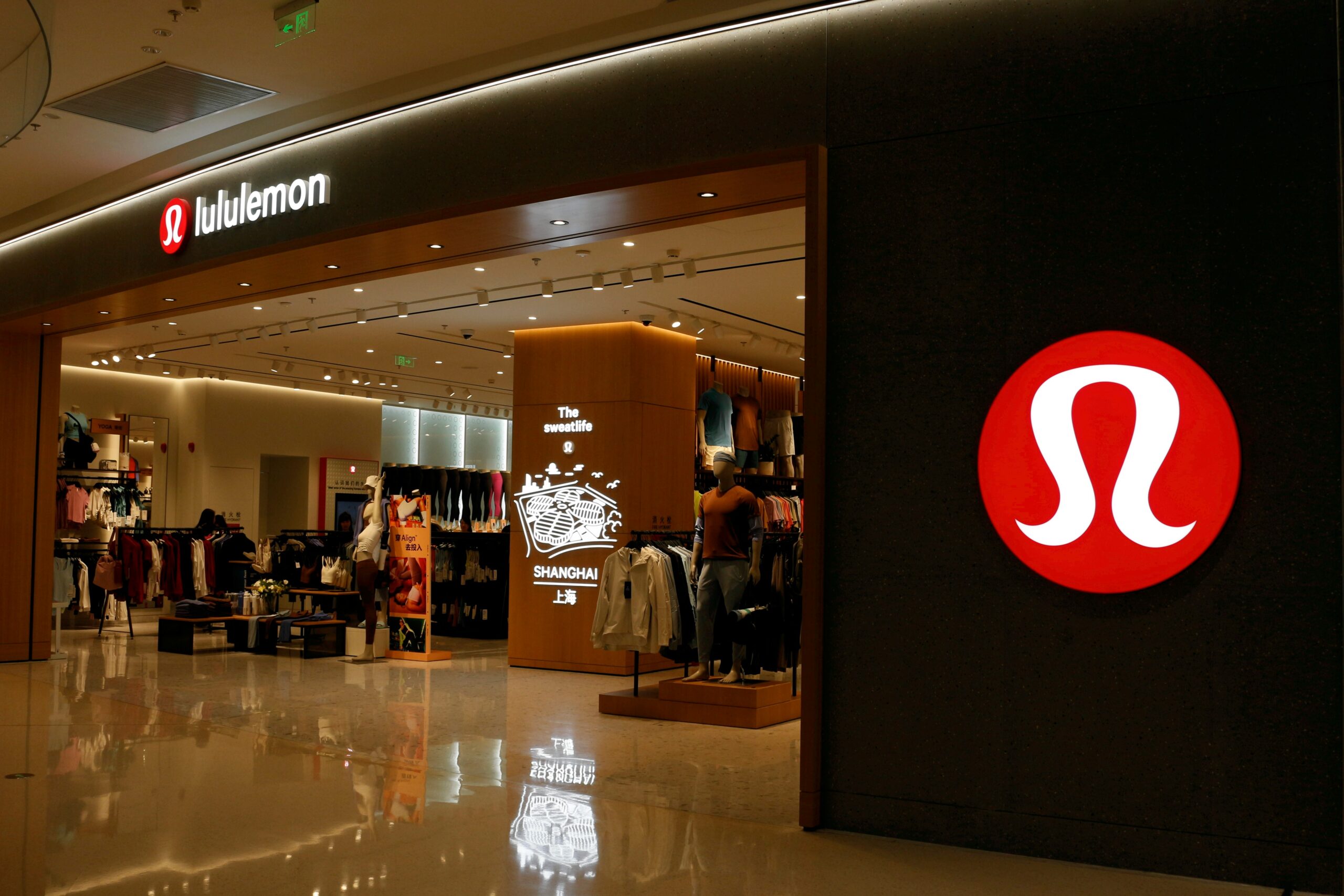
Two months after hitting the market, the Platinum hasn’t lost its new-card smell. The internet and social media are abuzz with walkthroughs of how to maximize new benefits and come out ahead on that hefty annual fee. Travelers are lining up at Lululemon stores to buy something with their new up to $75-a-quarter credit – sometimes a gift card.
Through it all, there's a common refrain: “If you liked the Platinum Card at its prior $695 fee, you'll love it at $895 a year.”
Getting everyday consumers to shell out nearly $900 a year in annual fees is no easy feat. Here’s how Amex pulled it off – and what it means for the future of travel cards.
Learn more about *amex platinum*.
Amex's Steady March Toward A Status Symbol
This didn't happen overnight. American Express has been laying the groundwork for years – arguably decades.
When the Amex Platinum first debuted back in 1984 (yes, over 40 years ago!), it was an invitation-only card marketed only to the most frequent travelers … and big spenders. With first-of-its-kind perks, including a 24/7 concierge service and the introduction of Fine Hotels + Resorts®, this card wasn't built for the masses.
Fast forward to 2013, when Amex first opened the famous blue doors on the Centurion Lounge® at Las Vegas (LAS), quickly following suit with additional signature lounges at Dallas-Fort Worth (DFW), New York-LaGuardia (LGA), and San Francisco (SFO). Today, there are 30-plus Centurion Lounges around the world … with even more on the way.
The airport lounge boom (and social media) quickly made the Amex Platinum a must-have card for frequent travelers and even not-so-frequent travelers alike.

Related reading: Where to Find Amex Centurion Lounges & How to Get In
But the bank's strategy really began to shift in 2017, when it rolled out a new metal card design (yes, it's gimmicky … but it works) and added up to $200 per year in Uber Cash, doled out in increments of up to $20 each month, with an extra $15 (for a total of $35) in December. It was the first time a third-party credit was added to the Amex Platinum Card … and the bank hasn't looked back since.
A year later, Amex partnered with Saks Fifth Avenue, giving cardholders up to $100 per year (up to $50 twice a year) in statement credits for purchases made at the high-end department store. A wave of bigger changes came in 2021, when Amex unveiled an overhaul with more third-party credits for things like digital entertainment, a monthly Walmart+ membership, and Equinox fitness classes while raising the annual fee.
The bank took that model even further this year, adding new quarterly credits for dining at Resy restaurants or shopping at Lululemon and even $200 a year toward purchasing an Oura ring.

It's fair to question: Is it even a travel card anymore? Amex's own CEO admitted as much just last year, telling investors: “The Platinum Card, while it's morphing into more of a lifestyle card, overall, still has heavy travel benefits to it.”
And that's the point. By piling on additional dining, shopping, and “lifestyle” credits while keeping core travel benefits like lounge access and earning 5x points on airfare – at least when purchased directly with the airlines (up to $500,000 per year) or through American Express Travel® – intact, American Express has broadened the appeal of what was once written off as a pricey card fit only for ultra-frequent travelers.
It's not just a travel card, nor is it a lifestyle card. It's a status symbol … and, clearly, a mainstream powerhouse.
It's Built for Millennials and Gen Zers
If you're still not sold on the new-look Platinum Card – or just can't wrap your head around the thought of an annual_fees annual fee (no matter the benefits) – here's the harsh reality: You're probably not the target audience. Not anymore.
That might be a tough pill to swallow for seasoned road warriors who've held the card for years, even decades. But the fact is that Amex is trying to lure in younger customers who aren't bothered by the laundry list of benefits they need to track.
Squeri touched on it himself last month, saying: “The Platinum Card has evolved into the leading premium lifestyle card that it is today, with a wider range of benefits and experiences that appeal broadly across generations, including Millennial and Gen Z consumers who are very comfortable paying for exceptional value and are highly engaged in the product.”
Translation? Millennial and Gen Z cardholders have been conditioned to expect a long list of statement credits in exchange for their annual fee. After opening their first credit cards just in the last decade or so, they don't know any different: They've likely never had an Amex Card without them.
As more of these consumers reach adulthood and begin to acquire credit, they're less likely to be deterred by cards with high annual fees and added hoops than the generations before them. And – spoiler alert – they'll also stick around longer.
You can even see Amex gunning after younger customers based on the brands they're partnering with: Lululemon. Equinox gyms.
No More Monthly Nonsense, No Subtractions
Last year, American Express and Delta teamed up to overhaul their suite of SkyMiles credit cards with a page straight out of Amex's playbook: Adding in new credits, including some for just $10 or $20 a month toward rideshares or restaurants. Months later, Amex did it again with the new *amex gold* by adding new credits to Dunkin' … of up to $7 … that expire each and every month.
Clearly, American Express learned its lesson.
The latest update to the Platinum Card included no new benefits that need to be tracked and used monthly: Everything resets once a quarter, twice a year, or annually. So while there are more credits to track – and other existing benefits like credits for Uber rides or streaming and other entertainment platforms that still reset monthly – it's not a constant struggle.
- That credit of up to $300 toward Lululemon is much more palatable when it's split into $75 every few months, not $25 a month.
- Ditto for the $100 available quarterly at Resy restaurants: That goes much further toward a nice dinner than $33 (and change) a month would have.
- And while an annual hotel credit is now split into two chunks throughout the year, those two up to $300 credits dwarf the old $200-a-year setup.
These new credits are substantial. That alone is likely a delightful surprise to longtime Amex cardholders who were probably dreading another round of ticky-tacky statement credits.
And they're relatively easy to use, too – not just for random purchases you'd otherwise scoff at, but for products and experiences many Americans want. Lululemon is a beloved brand with over 700 stores worldwide. Quarterly credits for Resy restaurants work at 10,000-plus locations nationwide … compared to just 300 or so for a similar credit on Chase's own flagship travel card.
Even if cardholders don't love all these new additions, here's the biggest silver lining of all: Nothing was subtracted.
All of the card's longtime benefits remained untouched, a rarity in the world of travel credit card updates. Not only did Amex not axe the Platinum Card's monthly digital entertainment credit – a benefit we felt was ripe for a cut, since it was a holdover from the pandemic – but the bank actually made that perk (a tiny bit) better.
The same can't be said of the Chase Sapphire Reserve (which cut a few core perks) or even *biz platinum*, which nuked its longtime favorite benefit for booking premium cabin flights with points.
No Escaping the ‘Extreme Couponing' Mindset
Years ago, travelers who were fed up with using spreadsheets to maximize their Amex cards could throw in their towel and bring their business to another bank.
They no longer have that luxury.
From Chase to Citi to United, every bank, airline, and hotel chain in the country is leaning harder than ever into “premium” travel … and the coupon-style statement credits that help them justify raising annual fees. It's not just the Amex Platinum Card that's gone mainstream – the company's entire playbook has, too.
Just a few years ago, Amex's lust for pushing up annual fees while tacking on a dizzying array of money-saving credits was unique. We were at a breaking point.
Fast forward to present day, and it's practically unavoidable now. That industry-wide shift makes the Platinum seem more palatable today.
Chase “refreshed” its flagship Sapphire Reserve® card earlier this year using the exact same formula, adding a bunch of third-party credits and raising the annual fee. Citi rejoined the premium card race just a few months back with the introduction of the Citi Strata Elite℠ Card, complete with use-them-or-lose-them credits of its own. Even co-branded airline cards from the likes of United and American have followed Amex's lead and loaded up on expiring statement credits in recent years.
So far, the Capital One Venture X is the only premium travel card to buck the trend. But it may only be a matter of time before that card gets a facelift of its own … using the same playbook as the others.
Ever-Growing Welcome Offers
Back when the Amex Platinum was a pure travel card, welcome bonuses of 60,000 points or so were the norm.
In 2025, that doesn't move the needle anymore … and Amex knows it. The entire credit card landscape is in the midst of a years-long arms race, driving six-digit welcome bonuses to lure in new customers.
With Amex, that has pushed the Platinum Card's welcome bonus as high as 175,000 points after spending $12,000 in the first six months. Exactly what bonus offer (if any) you're eligible for will vary. After you submit your application – but before you accept the card (if approved) and your credit score is pulled – Amex will let you know the welcome offer you can earn.
Again and again, Amex has upped the ante with bigger welcome offers over the years …but finding the best possible bonus was often like going on a treasure hunt. That forced would-be applicants to open an incognito window, try different browsers, or seek out a personal referral link to find a bigger sum of points.
Now, things have changed. While other banks use big bonuses as a blunt instrument to lure in new cardmembers, Amex has developed a more surgical approach: It's personalized.
“Most of the offers that we want to put on the market now are personalized, individualized. We want to find the exact point that will take you over and make you react to an offer – not below, not too high, just the perfect offer,” Christophe Le Caillec, Amex's chief financial officer, said earlier this year.
There's no telling how big these bonus offers will get in the future. But with Amex claiming to have the tech and data necessary to present prospective cardmembers with the perfect offer, you can bet they won't stop until they've dangled the right-sized carrot … and collected that annual fee.
Bottom Line
The Amex Platinum has completed its transformation from a premium travel card into a mainstream lifestyle status symbol. And clearly, consumers are buying it.
With ever-expanding statement credits, massive welcome offers, and perks tailored to Millennial and Gen Z spending habits, Amex has turned a nearly $900 annual fee into something millions of everyday cardholders are willing to justify. I'll be honest: We didn't see it coming.