


I just bought a two-year ExpressVPN subscription … that I have no plans to use.
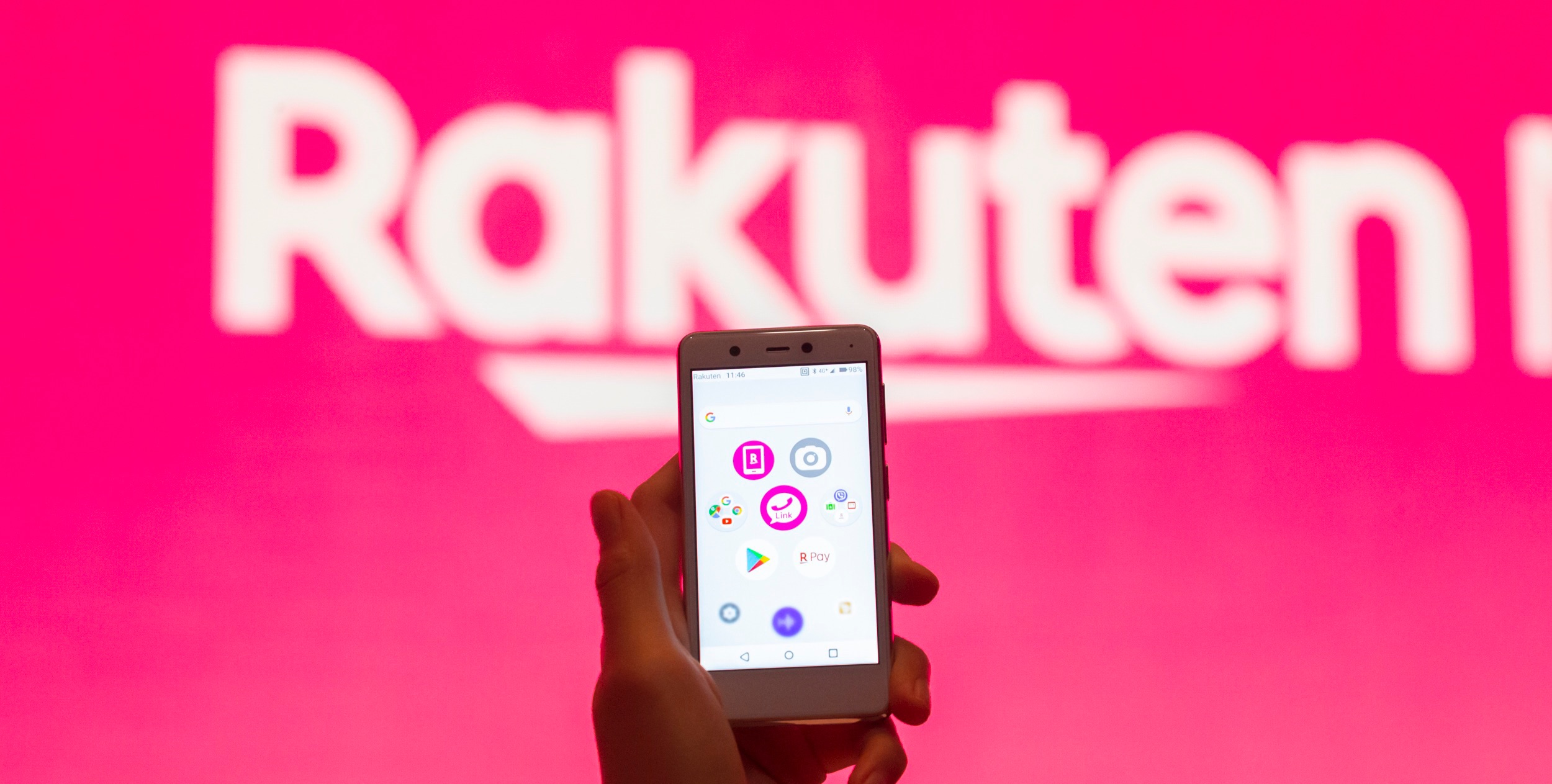
The reason it still made sense? Rakuten – the site that pays you cash back when you shop through its links – was running a rebate on ExpressVPN as high as 105%. Click through Rakuten first, and you get the entire purchase price back, occasionally even a touch more.
I took mine as points instead of cash, so a subscription I never plan to use handed me a stack of points worth more than the price I paid.

Most people think of Rakuten as a cash-back site, a way to claw back a few percent on the things they were buying anyway. That’s not wrong, and honestly, everyone should be using it that way – running your everyday online shopping through Rakuten is free money (or points!) you’d otherwise leave on the table.
But if that’s all you use it for, you aren’t seeing the full picture, because Rakuten is also one of the best ways to flat-out buy points. Nearly everything I buy online runs through it first, and a few times a year, it lets me grab a pile of points for next to nothing, which is why it sits right alongside welcome offers and everyday spending as one of the engines that quietly funds most of my travel.
Here’s how it works.
Buying Points Usually Isn’t Worth It
Airlines and hotels are often dangling some version of the same pitch: buy our miles now, and we’ll throw in a bonus. It’s tempting, but it’s almost always a bad deal. You’re paying real money for a single program’s currency, and airline miles typically run 2.5 to 3.5 cents each, before you even get to the question of whether you’ll redeem them well, and locking yourself into that one program in the process.
There are real exceptions, like topping off an account when you’re a few thousand miles short of booking an award, or buying into a steep sale to book a premium cabin you’d never pay cash for. But unless you’ve got a specific (high-value) redemption already lined up, you’re usually overpaying for miles that can lose value overnight.
So when I say Rakuten lets you buy points, I don’t mean the same trap with a different logo. I mean something genuinely better.
How Rakuten Flips the Script
At its core, Rakuten is a shopping portal: you click through to a retailer, make your purchase, and earn a percentage back. That part’s familiar to many. The move most people never make is buried in the account settings, where you can switch your payout from cash to Amex Membership Rewards or Bilt points instead.
Once you flip that toggle, every cent of cash back becomes a point, so a 10% cash-back offer effectively turns into 10x points per dollar spent.
What makes this better than buying airline miles? Those points aren’t tied to a single program. They’re flexible, transferring to dozens of airline and hotel partners, which means you’re not buying United miles or Hilton points – you’re buying a currency you can move wherever the best deal happens to be … and generally at a much cheaper rate.
The Math That Makes It Work
ExpressVPN’s plans cost between $84.72 and $153.72, and clicking through Rakuten at 105% back turns the bigger one into more than 16,000 points. That’s points for less than a penny each – a fraction of what you’d pay buying airline miles outright – and since I value those points at a minimum of 2 cents apiece once I transfer them, it’s effectively a penny in and two-plus cents out on a purchase that refunds itself.
Set the VPN aside entirely, and the points alone more than cover the cost. That’s the whole point: I didn’t need a VPN … I needed cheap and flexible points, and this was a creative way to buy them.
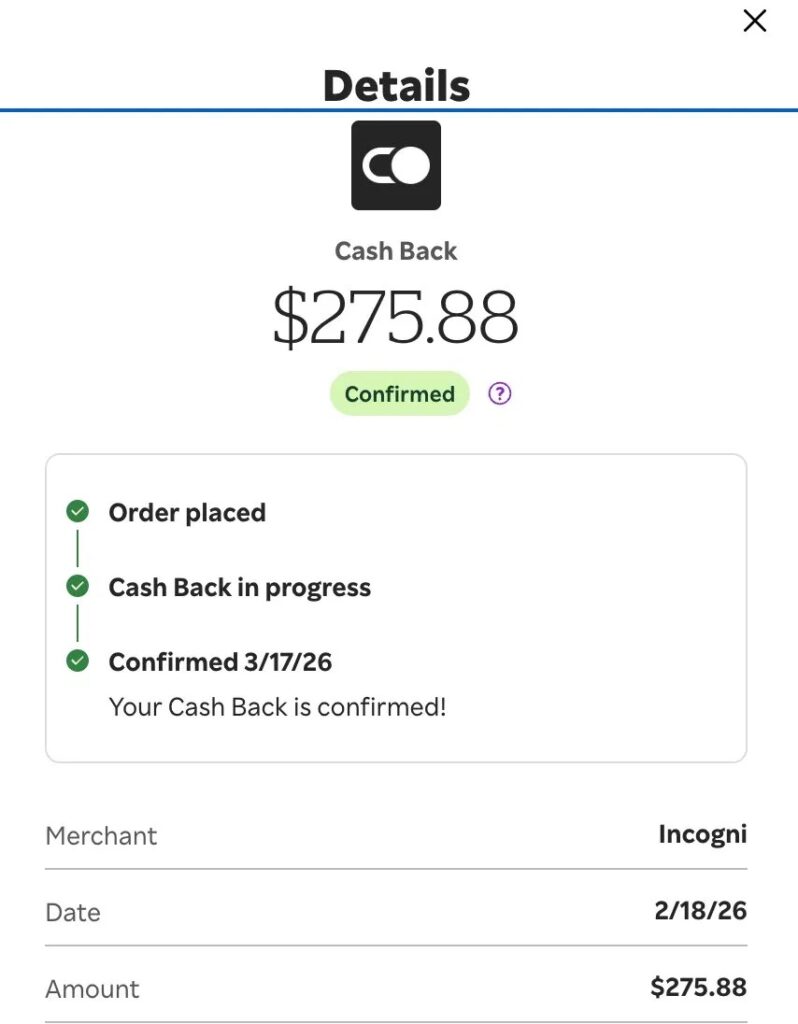
This isn’t a hypothetical or one-off situation, either. Earlier this year, I ran the exact same play on Incogni, a data-removal service I’ll never really use either: $275.88 in, 27,588 points out, confirmed about a month later.
How Rakuten Makes Its Money
If a company is handing you cash back – sometimes more than you spent – your first question should probably be where the money is actually coming from … at least it was for me when I first started using Rakuten.
The answer is that Rakuten makes its money as an affiliate. Retailers pay Rakuten a commission for sending shoppers their way, the same model that quietly powers a huge chunk of the internet, and Rakuten simply keeps part of that commission and passes the rest back to you. If a store pays an 8% commission, you might get 4% while Rakuten pockets the difference, and everyone comes out ahead.
So how does a 100% cash-back deal fit into that? It’s the same mechanism, just cranked up. Subscription companies will pay enormous bounties to land a new customer, betting you’ll renew at full price for years to come, and when that bounty runs higher than the sticker price, Rakuten can route the whole thing to you – occasionally a little more – just to get you in the door.
It’s Not Just VPNs or the Big Scores
These deals turn up a few times a year – VPNs like ExpressVPN, Nord, and Surfshark, data-removal tools like Incogni – spiking to 95%, 100% cash back, sometimes higher before vanishing without warning. By the time you read this, the headliner might be something else entirely, so don’t get hung up on any one of them. The pattern is what matters.
And it’s not just subscriptions. Banks and fintech apps like SoFi periodically dangle tens of thousands of points for opening an account and setting up direct deposit.
The multipliers on bigger purchases can get a little silly, too. Scroll through a long-running r/Rakuten thread on members’ best-ever deals, and you’ll find people describing 15x, 20x, even 25x points on appliances, electronics, and yes … even cat food during Rakuten’s promo events.
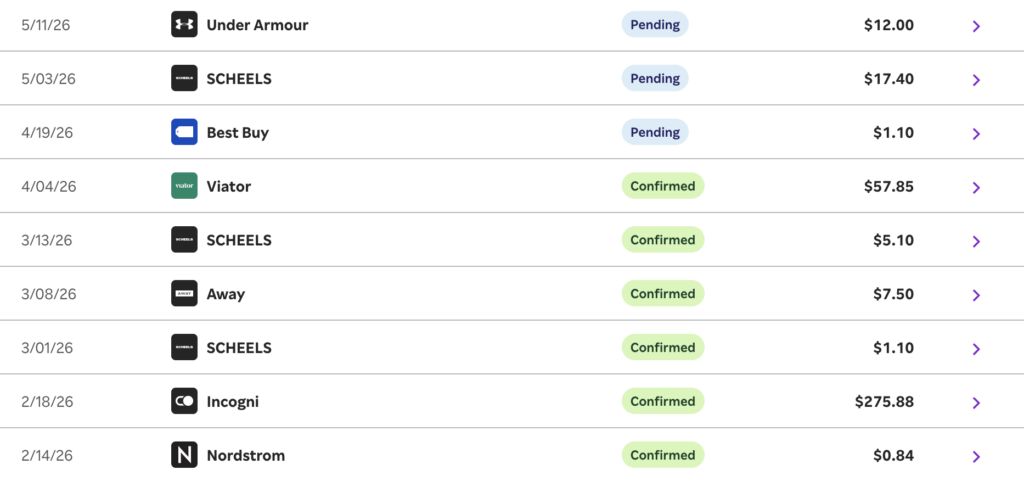
The flashy scores get the attention, but they’re not the whole story: Most of what Rakuten does for me is quieter. Scroll my recent activity, and it’s a Viator tour, new luggage from Away, some sports gear for my kids from Scheels, an order from Best Buy – ordinary purchases I was making anyway, each kicking back a few percent.
None of them are jackpots on their own, but I’m earning points on spending I’d have done regardless, and once in a while, a bigger booking like that Viator tour drops a few thousand points at once. That’s the quiet case for Rakuten: Almost everything you already buy online can earn its way toward a trip, with zero change to how you shop.
Is There a Catch?
Before you go buying VPNs you’ll never use, here are a few guardrails to keep in mind.
These high rates are almost always limited to new customers, one per member, and capped at a single plan, so you can’t buy ten subscriptions and print points. Payouts also arrive quarterly rather than instantly (Feb. 15, May 15, Aug. 15, and Nov. 15), and cash back has to “confirm” before it’s paid – my Incogni purchase took about a month. Don’t count any of it until it’s actually landed in your account.
Nearly all of these subscriptions auto-renew at full price, too, so set a reminder to cancel before the next charge hits. Every so often, a purchase just won’t track, either, so keep your confirmation email, because Rakuten’s support will usually make it right after the fact – but only if you follow up.
The other thing worth sorting out is which points you take. I cash out to Bilt rather than Amex, partly because my Bilt Palladium card gives me Bilt Gold status – which locks in the full 1:1 conversion – and partly because I think Bilt points are the most valuable flexible currency out there.
There’s a wrinkle there, though: Bilt’s full 1:1 rate now only runs to Silver-tier members and up, while base Blue members were cut to half after the introductory period. Amex Membership Rewards, by contrast, convert at a clean 1:1 for anyone who earns them, so if you’re not at Bilt Silver or higher, Amex is the safer option.
And then there’s the obvious one: none of this works unless you actually value the points. Buying junk you’ll never use to chase points you’ll never redeem well isn’t a strategy … it’s just spending.
If You’re Not a Member Yet, Start Here
If you’ve read this far without a Rakuten account, that’s the one thing to fix today.
Signing up is free and takes about a minute, and the only real setup decision is to head into your account settings and set your payout to Amex or Bilt points instead of cash, so every dollar of cash back lands as travel rewards from the start.
While you’re at it, install the Google Chrome or Safari browser extension that nudges you to activate cash back before you check out when you’re shopping online, so you’re not leaving points on the table.
It’s also worth starting through a referral link, because new members who sign up through ours and make a qualifying purchase in their first 90 days earn a welcome bonus on top of whatever that purchase already pays – currently $50, or 5,000 points if you’ve set your payout to points.
That’s a free head start before you’ve optimized a thing, and it stacks with the everyday cash back you earn.
Bottom Line
Rakuten isn’t just a cash-back app, at least not the way I use it – it’s the cheapest, most flexible way I know to buy points, and getting there is as simple as switching your payout to points and then making a habit of checking it before you buy anything online.
Do that, pounce when the subscription rates spike, and the points pile up almost as a byproduct of spending you were already doing. The VPN I’ll never use turned about $150 into more than 16,000 points – a real chunk of a flight I actually want to take – and that’s the whole idea.