


When I landed at Chicago O’Hare (ORD) after a trip to Switzerland last weekend, I breezed past a long customs line with just a few taps on my phone.
Normally, I’d use Global Entry to speed through passport control. But with Global Entry currently suspended due to the ongoing federal government shutdown, even approved, low-risk travelers (like me) can’t use the kiosks.
Instead, I opened the Mobile Passport Control (MPC) app, submitted my arrival information, and headed to a separate lane marked Mobile Passport Control. A few minutes later, I was through.
Mobile Passport Control is a free app from U.S. Customs and Border Protection (CBP) that allows travelers to submit their passport information and customs declaration directly from their phone. Instead of waiting in the regular line, you can use a dedicated MPC lane at participating airports.
There’s no application, interview, or membership required. You just need the app, your passport, and the right airport. It still feels a bit like a cheat code for international arrivals – and judging by how few people were using it at O’Hare, it’s clear that plenty of travelers still don’t realize it exists.
Here’s how it works.
What is Mobile Passport Control?
Mobile Passport Control is a free app created by the U.S. Customs and Border Protection agency that allows travelers to submit their passport information and customs declaration digitally before speaking with a customs officer.
Instead of filling out a paper customs form or waiting in the standard line, travelers can enter their passport information directly in the app, answer customs declaration questions on their phone, take a quick selfie, and then receive a QR code to present to a CBP officer upon arrival.
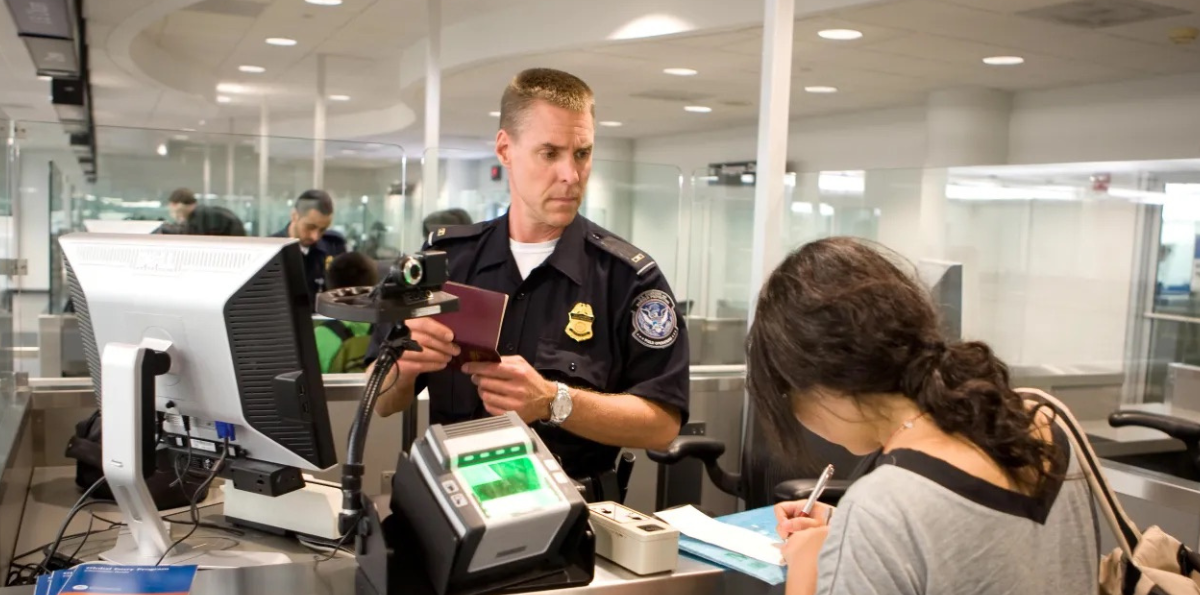
After submitting your information, you can use a dedicated Mobile Passport Control lane at participating airports. You’ll still speak briefly with a CBP officer, but the shorter lines and overall process are often much faster than the traditional passport control line.
Think of it as the middle ground between the standard customs process and Global Entry.
Mobile Passport Control Is Especially Useful Right Now
Mobile Passport Control is particularly helpful at the moment. Due to the ongoing partial federal government shutdown, Global Entry arrival processing has been suspended. That means the kiosks Global Entry members typically use to breeze through passport control aren’t currently operating.
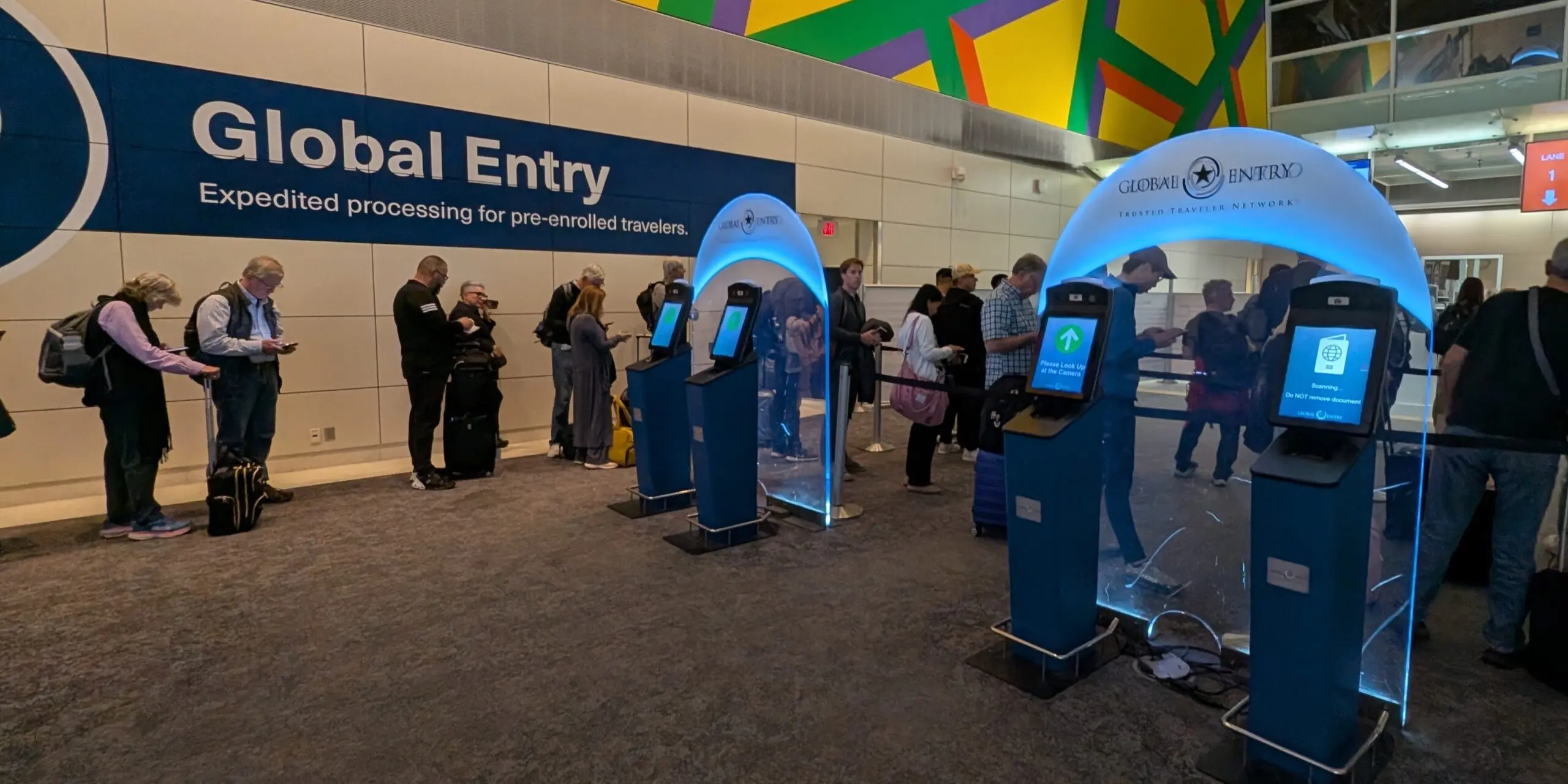
As a result, even travelers who paid $120 for a five-year Global Entry membership are likely to find themselves stuck in the same lines as everyone else.
Meanwhile, Mobile Passport Control remains fully operational, and makes it one of the easiest ways to speed through customs while the disruption continues – and a useful backup option to keep on your phone even when Global Entry operations return to normal.
Airports That Support Mobile Passport Control
According to the Mobile Passport Control website, it’s currently available at 61 locations, including 37 U.S. airports and 14 pre-clearance locations. Here’s the full list (as of publication):
Airports Offering MPC
- Abu Dhabi Zayed International Airport (AUH)
- Anchorage International Airport (ANC)
- Atlanta Hartsfield-Jackson International Airport (ATL)
- Aruba Queen Beatrix International Airport (AUA)
- Bermuda L.F. Wade International Airport (BDA)
- Baltimore/Washington International Thurgood Marshall Airport (BWI)
- Boston Logan International Airport (BOS)
- Calgary International Airport (YYC)
- Cleveland Hopkins International Airport (CLE)
- Charlotte Douglas International Airport (CLT)
- Chicago O’Hare International Airport (ORD)
- Dallas/Fort Worth International Airport (DFW)
- Denver International Airport (DEN)
- Detroit Metropolitan Airport (DTW)
- Dulles International Airport (IAD)
- Dublin Airport (DUB)
- Edmonton International Airport (YEG)
- Fairbanks International Airport (FAI)
- Fort Lauderdale-Hollywood International Airport (FLL)
- Halifax Stanfield International Airport (YHZ)
- Honolulu Daniel K. Inouye International Airport (HNL)
- Houston George Bush Intercontinental Airport (IAH)
- Houston William P. Hobby International Airport (HOU)
- John F. Kennedy International Airport (JFK)
- Kansas City International Airport (MCI)
- Las Vegas Harry Ried International Airport (LAS)
- Los Angeles International Airport (LAX)
- Miami International Airport (MIA)
- Minneapolis-Saint Paul International Airport (MSP)
- Montreal Trudeau International Airport (YUL)
- Nassau Lynden Pindling International Airport (NAS)
- Newark Liberty International Airport (EWR)
- Oakland International Airport (OAK)
- Orlando International Airport (MCO)
- Ottawa International Airport (YOW)
- Philadelphia International Airport (PHL)
- Phoenix Sky Harbor International Airport (PHX)
- Pittsburgh International Airport (PIT)
- Portland International Airport (PDX)
- Sacramento International Airport (SMF)
- Salt Lake City International Airport (SLC)
- San Diego International Airport (SAN)
- San Francisco International Airport (SFO)
- San Jose International Airport (SJC)
- San Juan Airport (SJU)
- Seattle-Tacoma International Airport (SEA)
- Shannon Airport (SNN)
- Tampa International Airport (TPA)
- Toronto Pearson International Airport (YYZ)
- Vancouver International Airport (YVR)
- Winnipeg James A Richardson International Airport (YWG)
How Mobile Passport Control Works
Once you download MPC from the Apple App Store or Google Play, using it to clear customs and get back into the US takes only a few minutes.
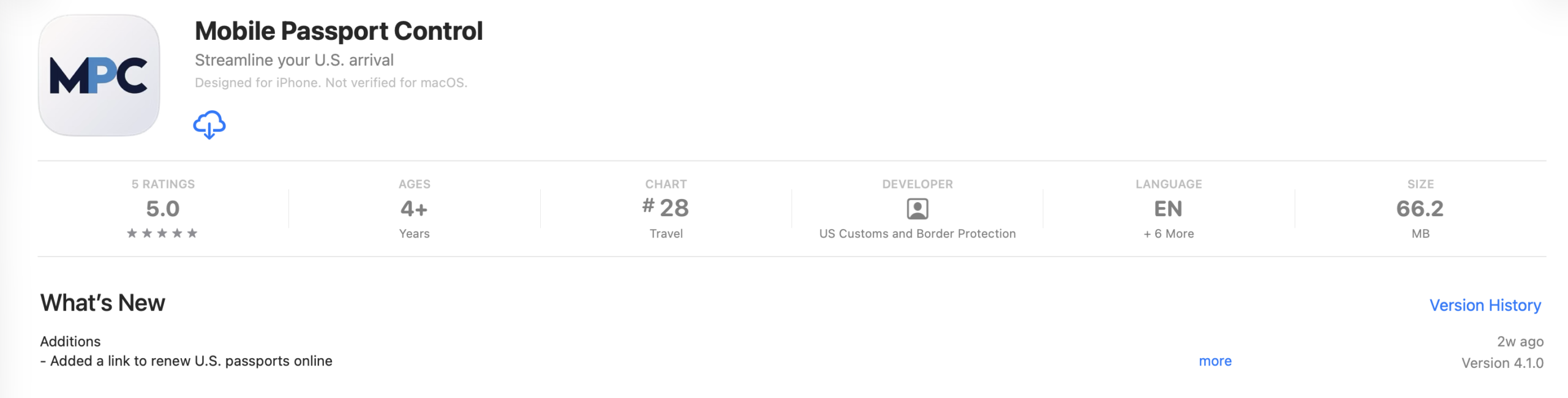
You can create individual profiles for you and your travel companions, and enter your passport information ahead of time – both of which speed up the process later.
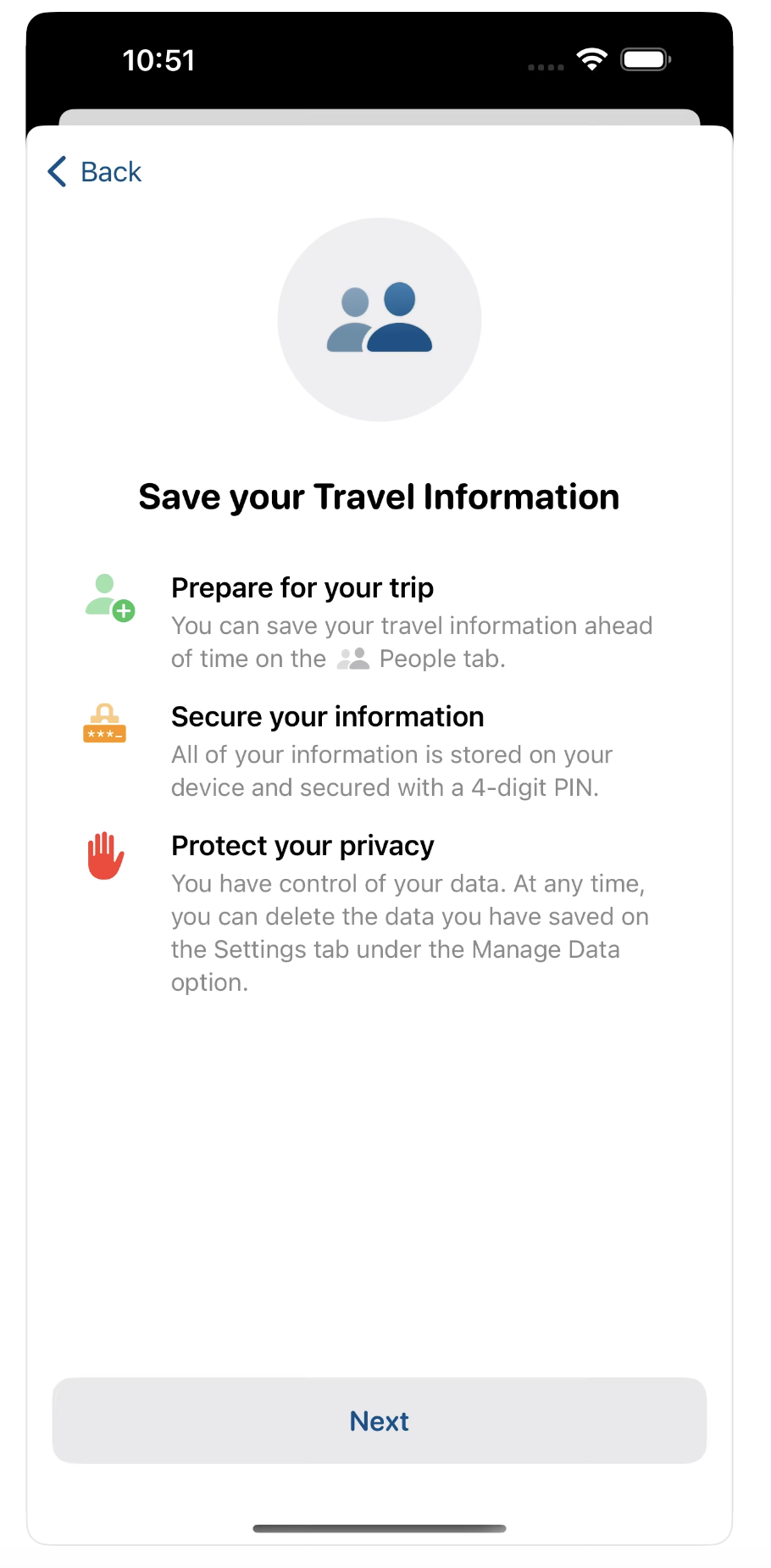
Once your flight lands in the United States (at one of the airports offering MPC), open the app, select your arrival airport, snap a quick selfie, and answer the standard customs declaration questions. It’s easy to complete this step while taxiing to the gate or even walking through the airport once you’re off the plane.
After submitting your documentation, the app generates a QR code receipt, and you’ll have three hours to go through a customs checkpoint.
When you arrive in the customs hall, follow the signs for Mobile Passport Control – it’s a dedicated line separate from both the standard customs line and Global Entry (when it is operational).
At the front of the line, a CBP officer will scan your QR code, check your passport, and ask a few brief questions – assuming all goes well, you’ll be on your way in a matter of minutes.
One important thing to remember: Mobile Passport Control does not replace your passport. You’ll still need to show your physical passport to the officer.
Who Can Use Mobile Passport Control?
If you’re a U.S. citizen, a lawful permanent U.S. resident, or even a Canadian visitor traveling on a B1 or B2 visa, you can use MPC. There’s no background check, interview, or application process required.
If you have a passport and your arrival airport supports MPC, you can use it.
Mobile Passport Control vs. Global Entry
Mobile Passport Control can save a lot of time vs. the standard customs line, but it’s not quite the same as Global Entry. CBP has a helpful table on its website that outlines the differences.
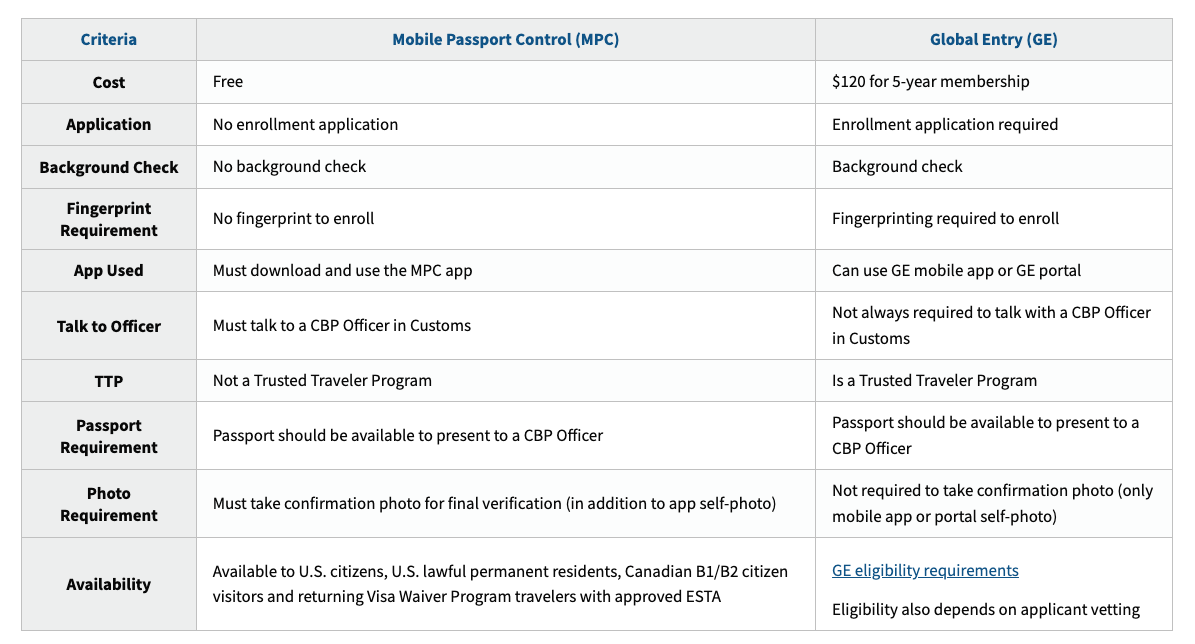
Global Entry members typically skip the officer interaction entirely using kiosks or facial recognition technology.
Still, if you don’t travel internationally often, Mobile Passport Control can offer many of the same time-saving benefits without paying a fee or going through the enrollment process.
Why More Travelers Should Use It
Despite being around for years, Mobile Passport Control is still surprisingly underutilized.
That was clear when I landed at O’Hare last weekend. While hundreds of travelers from my flight headed toward the regular immigration lines, only a handful used the MPC lane. That’s part of what makes the app so useful: not many travelers seem to know about it.
If you’re returning to the U.S. from an international trip and don’t have Global Entry (or its temporarily shuttered), downloading the Mobile Passport Control app could save a ton of time.
Bottom Line
Mobile Passport Control (MPC) is a free app from U.S. Customs and Border Protection that can help travelers skip long customs lines when returning to the U.S.
It’s not quite as seamless as Global Entry, but for a free option that requires no interview, application, or membership, it’s one of the easiest ways to speed through customs. And judging by how few travelers seem to know about it, it’s still one of the most underused travel tools out there.
Lead photo courtesy of the U.S. Department of Homeland Security