


Airlines have been raising fares left and right – and hiking fees, too – as jet fuel costs have nearly doubled since the war in Iran began at the end of February. But just because oil prices have stabilized (some) since on-again, off-again peace talks began a couple of weeks ago, don’t expect fares to drop overnight … or anytime soon.
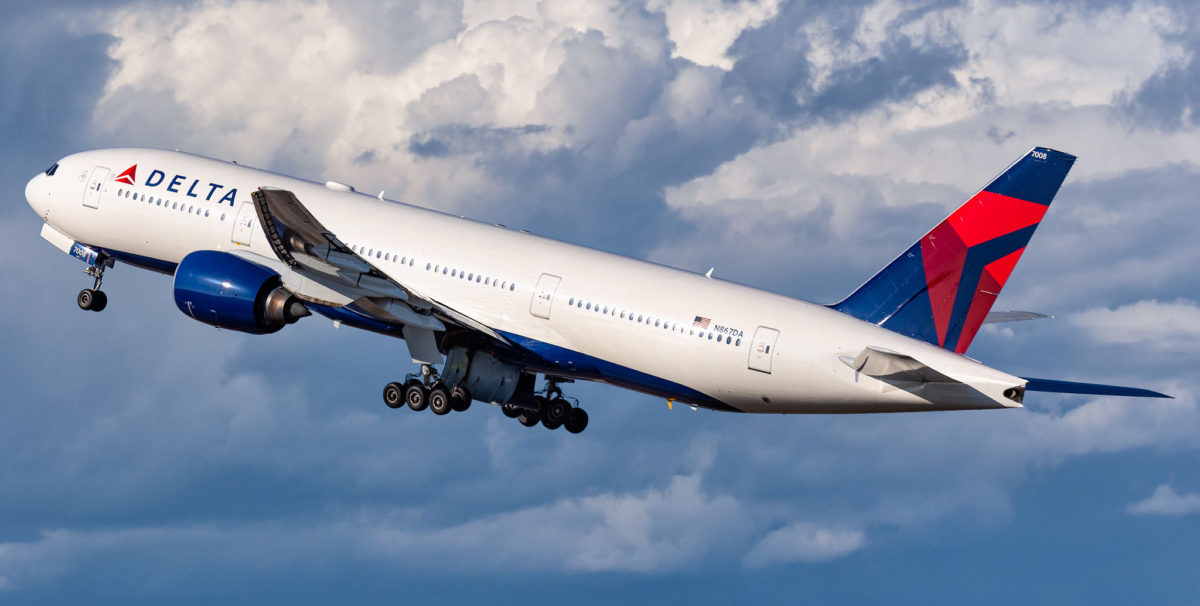
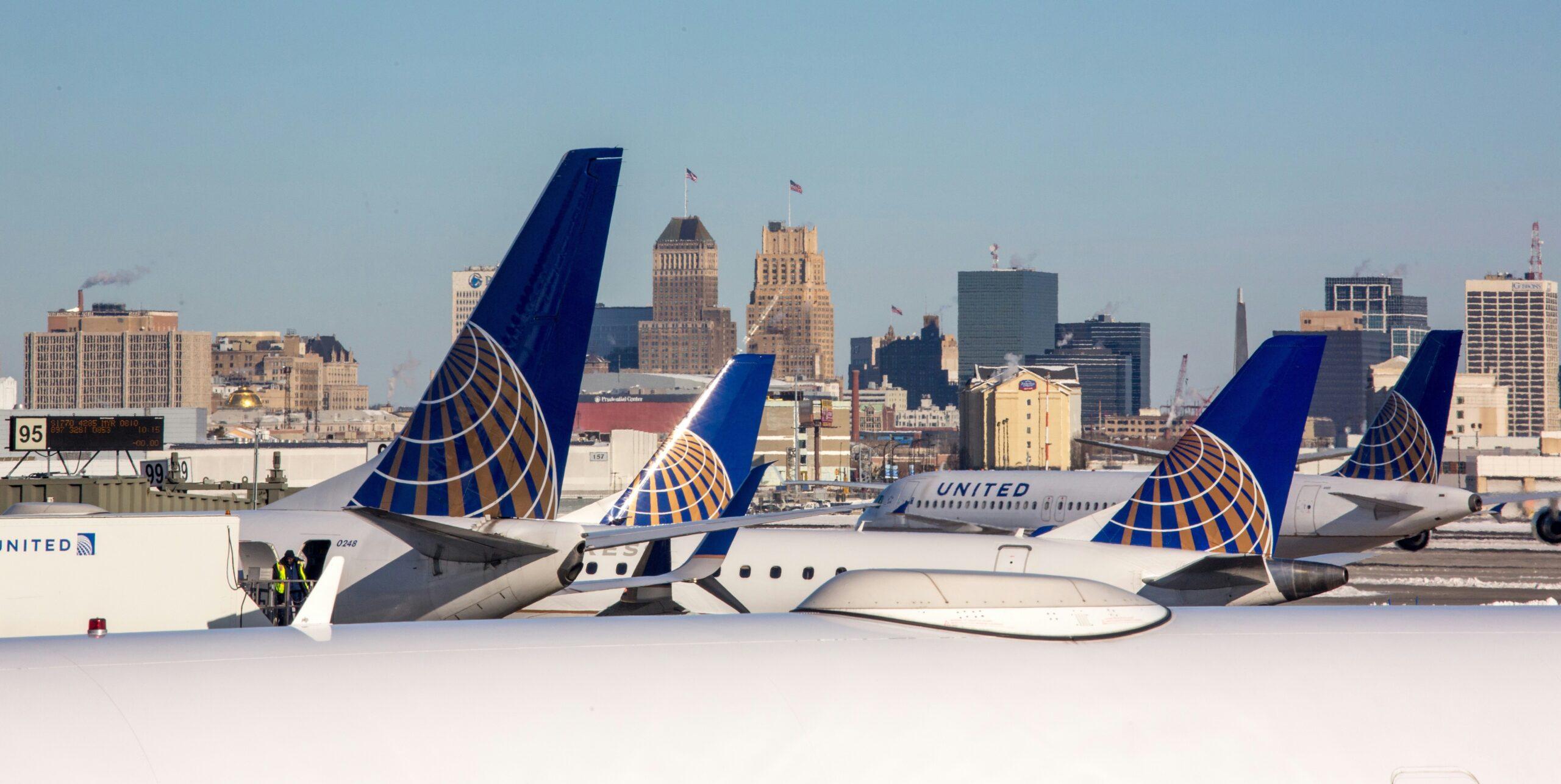
That’s the message Delta’s CEO Ed Bastian delivered earlier this month, and one United echoed to investors on Wednesday, signaling that fares would remain elevated into the summer and beyond.
“At the moment, our goal is to do whatever it takes to recover 100% of the increase in jet fuel prices as quickly as possible,” said United CEO Scott Kirby. “Realistically, there probably isn’t enough time to make up 100% of the fuel price increase this year, but I feel very good about 100% recovery and getting to double-digit margins in 2027.”
Translation? Don’t expect flight prices to drop to pre-war levels in the weeks and months ahead.
While Delta only alluded to increased fares through the summer, United is taking things a step (or two) further, saying higher prices will persist into next year. Pinning down exactly how much fares are up is tough work, but Kirby tipped his hand a bit on this, saying: “To recover 100% of fuel costs, yields need to increase by about 15%-20%.”
If you’re not fluent in airline CEO speak, “yields” essentially means prices. So that $300 roundtrip flight you were eyeing a couple of months ago is more likely to cost $350 (or more) today. If you’re booking a family vacation, that could mean spending hundreds of dollars more on flights alone.
But airfare isn’t a monolith: It’s millions upon millions of flights – some of which go up in price, some stay the same, and others are still going down. Despite the headlines, we’re still finding plenty of deals.
Nonetheless, the anecdotal evidence is overwhelming – both domestically and especially internationally, airfares have ticked up fast. “The international environment is actually better than domestic, [as] the price increases have been more substantial and are covering more of the fuel burden than they are domestically,” said United executive Andrew Nocella.
In this case, “better” is actually worse (for travelers). Nocella is saying that United has been able to raise fares more on international routes than short hops in the U.S., meaning it could pay to leave your passport at home this year.
Frustrating though it may be for travel-lovers on the hunt for better deals, higher fares are an unfortunate economic reality of the current situation.
Fuel is one of airlines’ biggest expenses, second only to labor. After hitting nearly $5 per gallon last month, prices have come back down some, with the latest data from the Argus U.S. Jet Fuel Index showing an approximately $4.00 per gallon cost this week – still way up from the previous $2.40-ish range in late February.
Yet higher costs are ultimately a relatively small factor in what drives fares up and down. It’s much more about the simple law of supply and demand … and that is in United’s favor, too.
United executives repeatedly stressed on Wednesday that despite the higher fares, demand is still high … especially in the pointy end of the plane. “Premium demand remains strong, with Q1 premium revenues up 13.6% on 4.4% increase in capacity,” Nocella said.
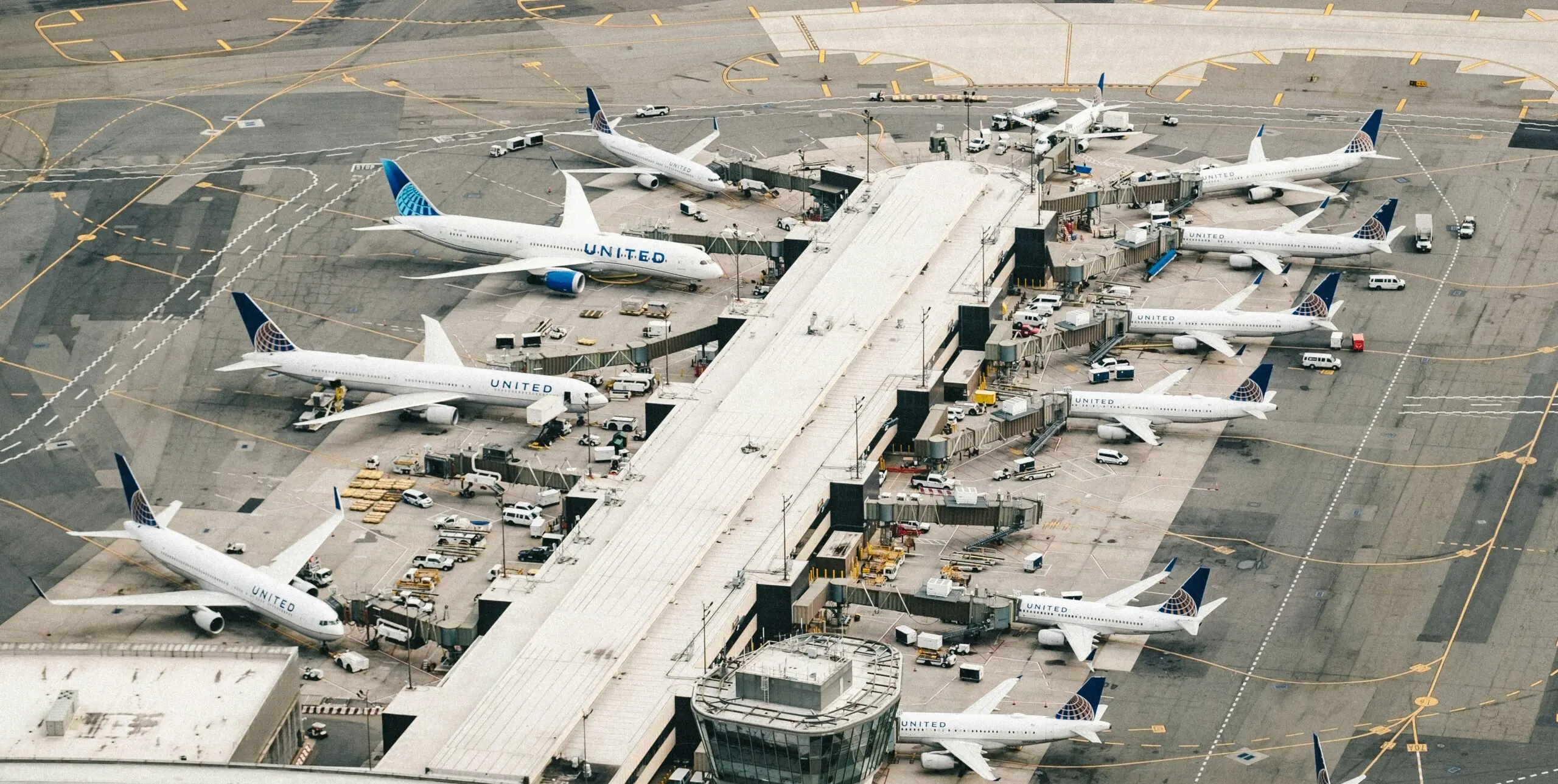
But demand is just one half of the equation – and United knows it. To further drive profits and “recapture” higher fuel costs, the airline is cutting capacity by approximately 5% through the rest of the year.
What routes is United trimming, you ask? The unprofitable ones on Tuesdays, Wednesdays, and Saturdays, as well as the half-empty overnight red eyes. “Our adjustments removed marginal capacity on off-peak days and flight times such as red eyes, which we believe will fuel our recovery from fuel price increases in the second half of 2026,” added Nocella.
So long as United can bank on wealthy travelers to fill the seats left, it has all the pricing power it needs to keep fares higher for longer. And make no mistake, that’s the plan.
What You Can Do
Not all is lost, travelers.
While higher airfare is part of our new normal – and may be for the months or even years ahead – you can still find a better bargain by:
- Booking sooner rather than later. Even if fuel costs continue to drop, fares are more likely to remain high or even rise as airlines try to cover their increased costs.
- But book a main cabin economy fare – not basic economy. That way, you can lock in a fare today and rebook, pocketing the difference as a voucher if prices do, in fact, drop later on.
- Use Google Flights Explore. This tool is invaluable for finding the best bargain possible – on any airline.
- Turn to your miles! Discounted United fares are few and far between lately, but the mileage deals just keep coming – and they get you even more bang for your buck with prices elevated right now. With United’s recent card changes, you’ll often find the best deals using United’s own MileagePlus miles or a stash of Chase Ultimate Rewards points.
Bottom Line
United echoed much of what we heard from Delta earlier this month, telling investors on Wednesday that it plans to keep charging travelers more through next year to offset higher fuel prices driven by the war in Iran.
And even if fuel prices continue to drop in the weeks and months ahead, United isn’t planning to throw travelers a bone anytime soon.