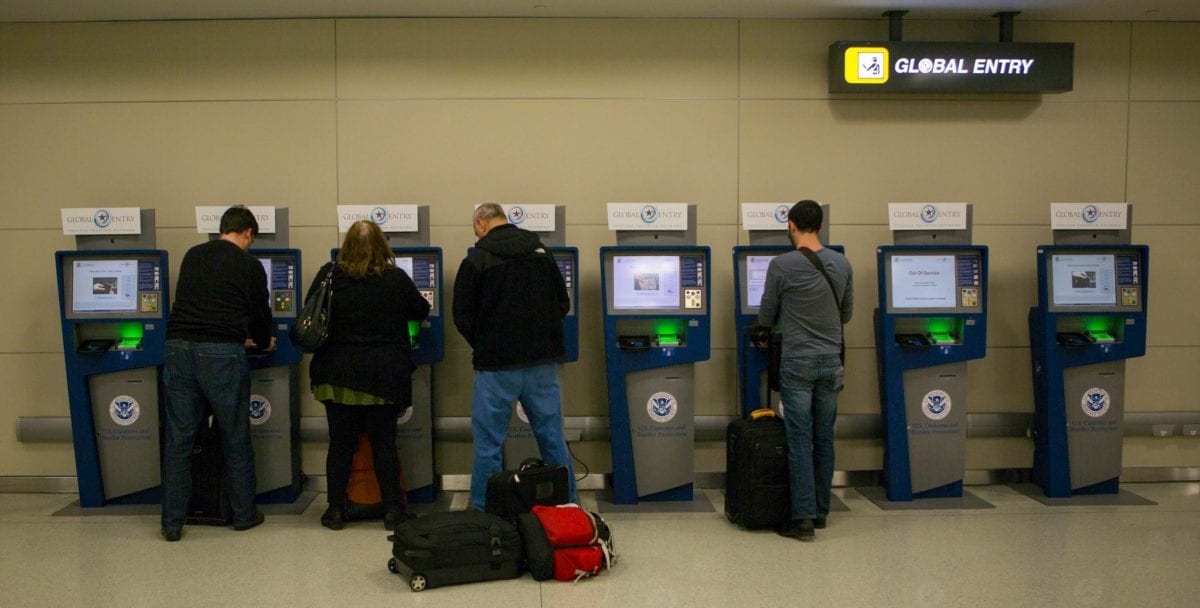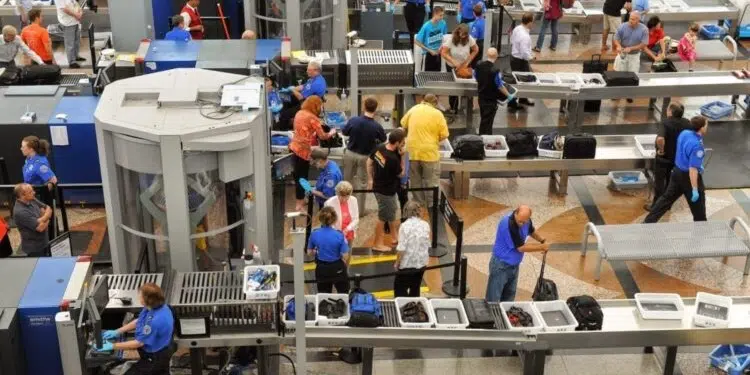




Flights nationwide were stuck on the tarmac while hundreds more were canceled altogether due to an unprecedented nationwide ground stop dragging into Friday evening.
It’s just the second nationwide ground stop since the Sept. 11 attacks, and it’s brought travel to a screeching halt as virtually all takeoffs are banned. U.S. airlines canceled more than 1,000 flights in a matter of hours while delaying thousands more.
But when will the ground stop end and flights resume? Should you cancel flights or head to the airport? And what about travel insurance?
Keep reading for our advice.
When Will Flights Resume?
It’s the $1 million question. But we don’t know. No one does.
As of publication, the nationwide ground stop has dragged on for two hours and counting … with no sure sign that flights will resume soon. Federal regulators have faulted a “communications issue” for the breakdown but haven’t identified the cause nor provided a timeline to fix it.
The initial advisory from the Federal Aviation Administration (FAA) said the ground stop would last until 11:30 p.m. EST. But there’s no guarantee it lasts that long … or ends on that schedule.
Our best guess? Few flights will get out this evening … if any, period.
Tomorrow and Sunday are anyone’s guess. The longer this stoppage drags on, the more questionable weekend travel becomes as planes and crews are left out of place.
Change Flights (Or Book a Backup) ASAP
Even if Saturday and Sunday flights are questionable, you’re better off snagging a seat right away.
Flights are regularly full to the brim these days. So if you’re scheduled to fly Friday or Saturday and want to push your trip out a day when planes are (hopefully), you’d be wise to change your flight sooner rather than later. Wait too long, and all those seats might fill up.
Fortunately, airlines make that easy. Several major U.S. carriers published travel waivers, allowing customers to change flights – to as far out as next Monday, Nov. 16. – without paying fees or fare differences. Here are some quick links to each major U.S. airlines’ current travel waivers:
- Alaska Airlines
- American Airlines
- Delta Air Lines
- JetBlue Airways
- Spirit Airlines
- Southwest Airlines
- United Airlines
You might also consider booking a backup flight later this weekend – keeping your current flight, but having another option … just in case. We’ve got two bits of advice there:
- Use your airline miles! Most major U.S. airlines offer free change and cancellation on all award tickets, so you could cancel and get your miles back if you don’t need that second flight.
- Delta shines for backup flights. Delta honors the 24-hour refund rule. That’s because, unlike all other major U.S. carriers, even for flights booked last-minute … including day of travel! Sadly, Southwest no longer does.
But Wait to Cancel Your Existing Flight
Here in the U.S., travelers have shockingly few rights. Really, there’s just one.
If your airline cancels your flight, you can scrap your reservation and get a full refund – not just a voucher or credit that expires in a year, but your money back. And that includes when a nationwide ground stop is the cause of the disruption.
That’s why you should wait for your airline to cancel your flight. Cancel beforehand, and the best you can get is a voucher.
It’s one of the few protections for flyers enshrined in U.S. law. Here’s a snippet from Department of Transportation regulations:
If your flight is canceled and you choose to cancel your trip as a result, you are entitled to a refund for the unused transportation – even for non-refundable tickets. You are also entitled to a refund for any bag fee that you paid, and any extras you may have purchased, such as a seat assignment.
After canceling your flight, airlines may simply try to rebook you on the next available flight … whether that’s hours or several days away. This law means you’ve got the option to stay home, cancel the reservation altogether, and get your money back. That’s particularly powerful if you wind up booking another flight instead.
While federal law has long required airlines to provide refunds when they cancel or delay flights and passengers choose not to rebook an alternative, it used to be left up to the airlines to decide what constituted a “significant” delay. Under the new federal rule, those standards are now clear – and set down in law: You’re automatically entitled to a refund if your flight is delayed by more than three hours for a domestic flight (or six hours for an international flight).
Of course, that means you’d have to scrap your entire trip and try again another time. At the very least, if you decide to call it quits on your trip, you’re entitled to your money back, which you can put towards another trip.
Monitor Your Airline & Track Your Flight
Worried about your flights this weekend, maybe even next week? It pays to be vigilant.
Start by monitoring FlightAware’s daily dashboard of delays and cancellations. As you’re getting ready for your trip, scope out your airline – or heck, the entire U.S. aviation system – in the days leading up to departure for potential warning signs.
While all flights are currently grounded nationwide, some airlines may recover faster than others. So if you’re flying this Monday and your airline has canceled hundreds of flights on both Saturday and again on Sunday … well, prepare for ongoing issues. Bad weather or clear skies, it can be an indication that that those disruptions are going to continue.

But on the day of, you need a tool to track your actual flight. Unfortunately, airlines don’t always do the best job of letting customers know when they’ve made a change. If any app is tailor-made for that job, it’s Flighty.
Flighty tracks the status of your upcoming flights better than even your airline will. After years of delays and cancellations, our team has lost track of how many times we’ve gotten alerts from Flighty about a schedule change or cancellation 30 minutes, if not hours, before getting the heads up from the airline … if the carrier even notified us at all. It’s the most powerful tool we’ve found to keep tabs on your flights, bar none.
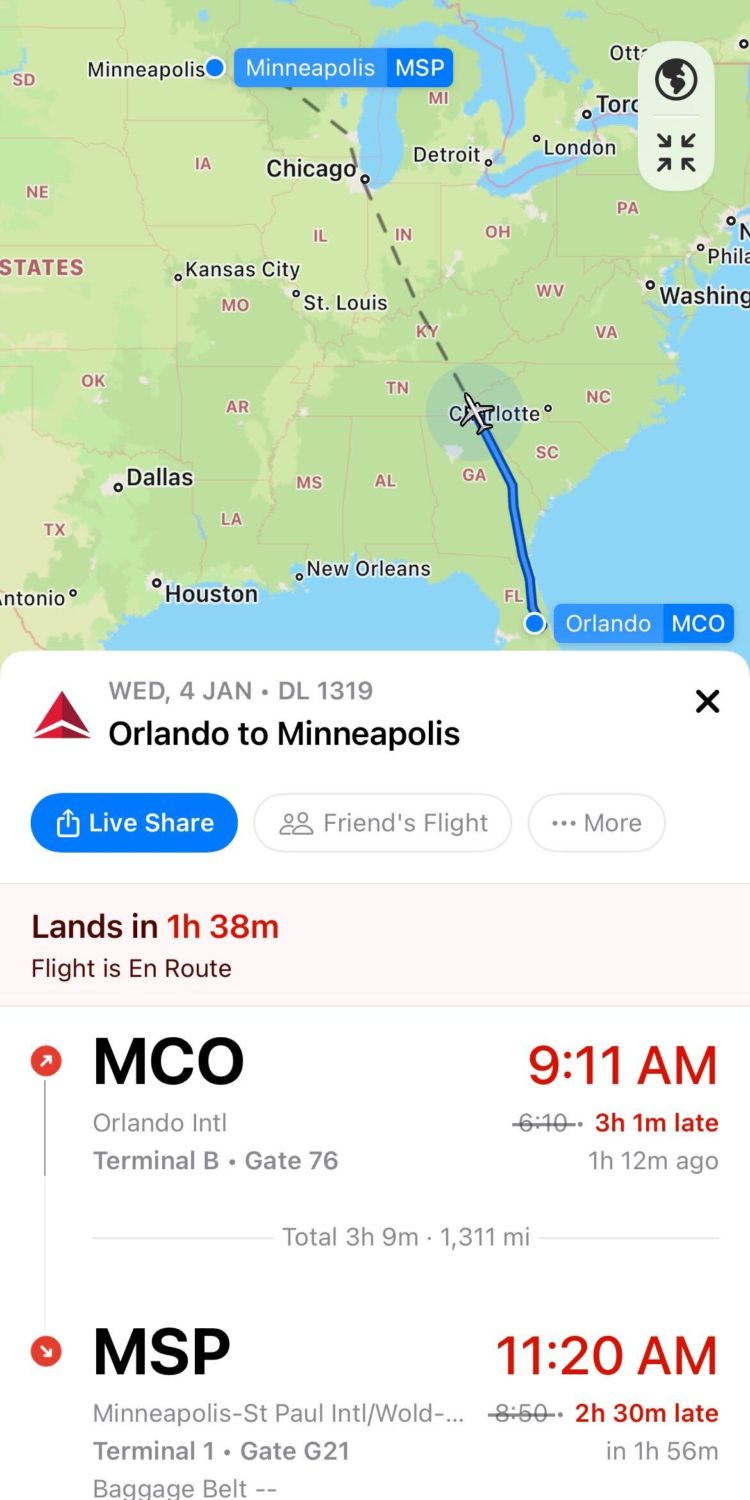
You’ll get instant push alerts about any schedule changes, delays, or cancellations to any flights in your queue. When it comes to air travel, information is power … and no app gives you more information than Flighty.
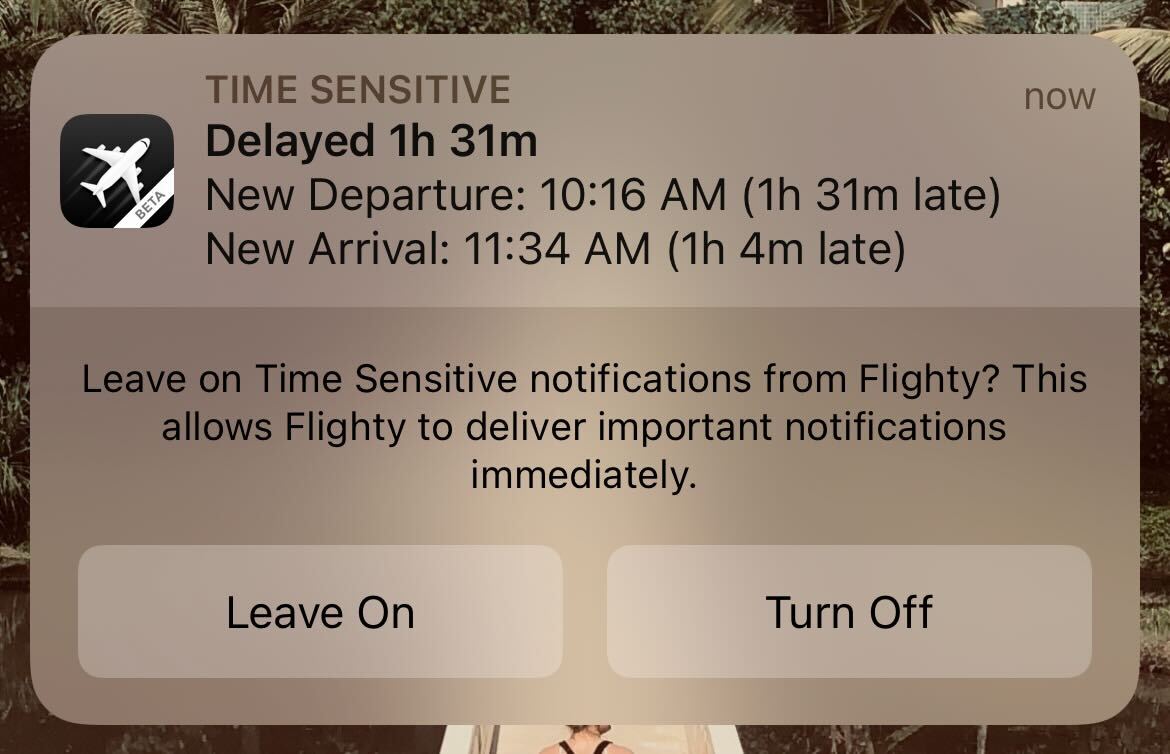
Flighty starts out free, giving you some useful but limited information about your upcoming flights. But the real power comes with Flighty Pro, which gives you by-the-second updates on changes to your flights.
At $59 a year, it’s not exactly cheap … but potentially invaluable for anxious travelers who want to stay informed. And if you’re a frequent travelers, we think you’ll find this subscription is well worth it.
Read more: Why the Flighty Pro App is a Must-Have Travel Tool
Lean on Your Travel Credit Card for Coverage
Your airline might be unwilling to help out when the FAA is at fault for disruptions. But that’s where using a good travel credit card to book your flights can come in handy.
Some top travel credit cards like the *chase sapphire preferred*, *chase sapphire reserve*, and the *venture x* come with built-in travel insurance protections that can help you recoup some of your additional costs when things go wrong. And even delays or trip cancellations caused by severe weather like a snowstorm and yes, national airspace disruptions, can be eligible.
Let’s say you booked your flight with your Chase Sapphire Preferred card, but the airline pushes back your flight home by a day due to this mess. Your airline won’t do much if anything, but the Preferred Card’s trip delay coverage could cover up to $500 in reimbursement per paid ticket for expenses like airfare, hotels, or meals in the event of a delay of 12 hours or longer (or overnight).

Many other top travel credit cards offer identical coverage, if not better. You’ll have to go through the claims process after the fact, but it can help cover most (if not all) of the surprise costs when there are delays to your flights.
To be clear, these kinds of massive, nationwide disruptions are a gray area when it comes to insurance. Will you be covered or will the insurer reject it? It’s hard to say right now.
But you might as well try, right? Oh, and remember: Save all your receipts! And submit every last one of them.
Read all about our experience with Chase’s trip delay insurance!
You’ve Got to Be Kind
This is hard, we know. But when things go wrong in air travel, we have a mantra:
“It’s not the check-in agent’s fault. It’s not your gate agent’s fault. It’s not your flight attendant’s fault. And it’s not the customer support agent on the phone’s fault, either.”
As frustrating as delays and cancellations can be, don’t take it out on front-line employees. In many cases, they’re under just as much stress as you are trying to help hundreds of fellow travelers – not to mention, working long hours trying to keep the airline moving.
Kindness is a superpower in these situations. These employees often have enormous power to help you out … and they’re far more likely to do so when you’re genuinely nice.