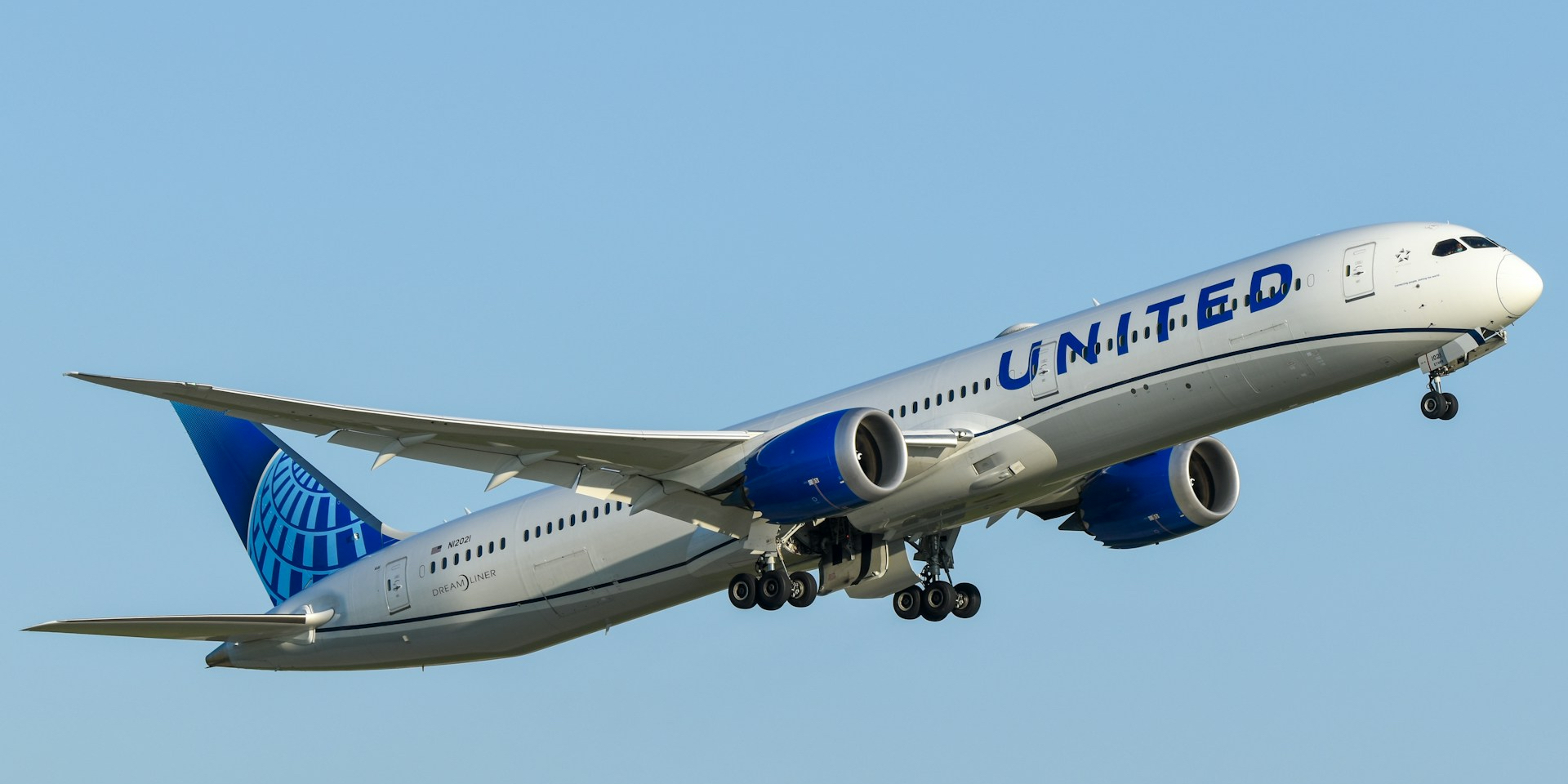


United Airlines just became the first U.S. airline to block unauthorized third-party AI agents, such as xAI’s Grok Bot and Meta’s Muse, from booking flights.
The Chicago-based airline’s announcement says the ban applies to its own website and app, as well as to bookings made indirectly through travel agencies and other third-party aggregators.
To be clear: Your personal AI assistant can still pull up United flights and fares … it just can’t pull the trigger and actually buy them for you.
United’s official reasoning argues that handing your MileagePlus login to an outside AI tool could expose sensitive information. It also says an agent acting on its own could make unintended purchases, change reservations, or burn miles you never meant to spend.
On top of that, the airline questioned whether automated AI actions could run afoul of Federal Aviation Administration (FAA) and Department of Transportation (DOT) rules. For example, if you use an AI agent to check in for a flight, it can’t honestly confirm that your bags don’t contain prohibited items like explosives – a declaration that’s required by law.
Those are all fair points, but it’s hard not to see a bottom-line motive underneath the stated security concerns.
United CEO Scott Kirby may have tipped his hand on that a day earlier. At an event in Chicago on Tuesday, the usually tech-cheerleading CEO put it plainly: “To be honest, I don’t want to create another middleman,” Kirby said about AI agents.
Airlines spent years fighting online travel agencies over how their fares get displayed and sold. Now, AI agents could become an even more powerful (and costly) layer between United and its customers.
These tools are already pretty dang smart, and United surely sees where this is heading. An agent can watch fares around the clock and book the moment a price drops, with no human intervention. Scale that across millions of travelers, and it starts to chip away at the dynamic pricing and upsells airlines rely on.

But I’d actually argue the biggest threat to United’s profitability isn’t AI booking flights … it’s rebooking them.
Since United scrapped most change fees back in 2020, savvy travelers have been using a neat trick to save on flights: If the price drops after you book, you can rebook the same itinerary at the lower price and pocket the difference as a travel credit. But in practice, few travelers actually use it because it means checking fares over and over again for weeks or months.
Heck, it can be so time-consuming that we built a free tool to do the checking for you!
But AI can check your fare every hour until the day you fly and rebook the second it drops … every time, for every trip. What’s now a niche “travel hack” could become the default for millions of travelers. That’s real money United doesn’t want to leave on the table.
So is United protecting travelers’ data? Probably – at least in part – but I think there’s more to it than that.
United says it isn’t currently seeing many AI-agent bookings, so this news really doesn’t impact most travelers … yet. That makes this the cheapest moment to shut the door – before customers come to expect it and before blocking AI starts to cost United bookings.
Not every airline is following United’s lead, though. Delta says AI assistants can complete bookings once they’re authenticated, with extra safeguards for “sensitive transactions,” such as trips for unaccompanied minors. Southwest went a step further earlier this year by launching a ChatGPT plugin that lets travelers search for its flights right inside the chatbot.
Could other airlines treat United’s wall as an opening to pick up the business United turns away? If your AI agent is hunting for the cheapest nonstop to Denver and only one of two carriers lets it close the deal, it’s easy to guess who gets the sale.
Bottom Line
United is the first U.S. airline to publicly block AI agents from booking flights. It’s citing privacy, security, and FAA and DOT rules. But Kirby’s own words suggest that protecting United’s direct line to customers, and its pricing power, is a big part of the decision.
Whether rivals follow United or try to win the business it’s turning away, this is shaping up to be one of travel’s more interesting fights.