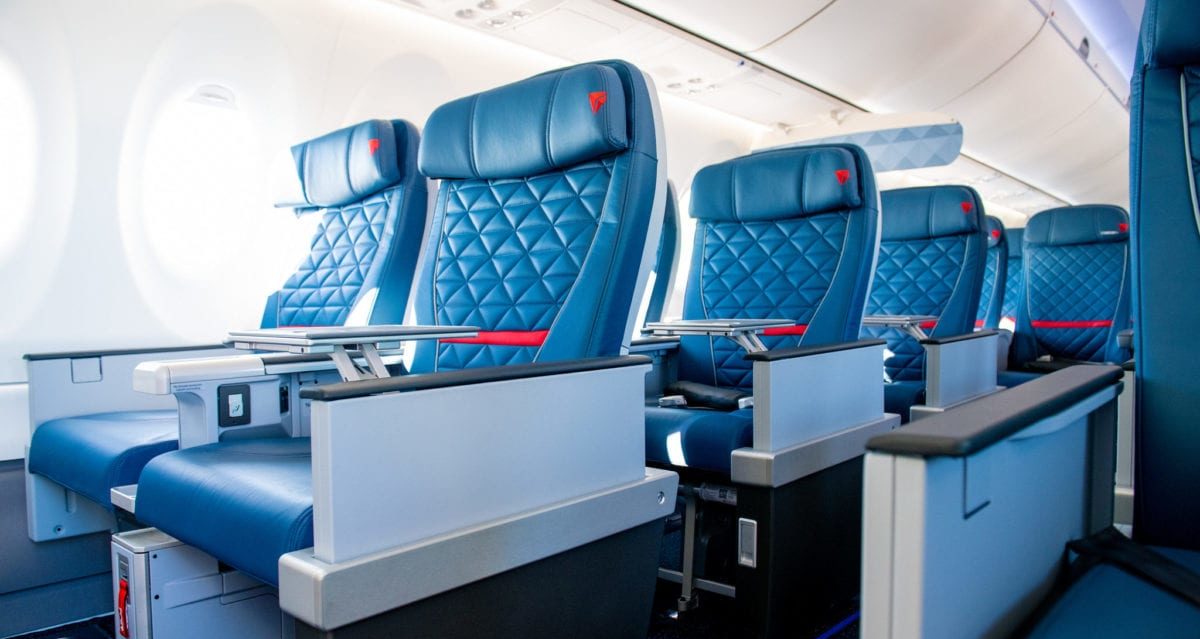



It’s the question dangling over everyone’s summer trips as access to jet fuel gets more expensive – and tougher to come by – for airlines all over the world: What’s going to happen to my flights?
With airlines on every continent announcing flight cuts this spring, travelers with summer trips are wondering if their flights are next, especially as the price of fuel continue to rise. The International Air Transport Association (IATA) gave a sobering warning that jet fuel shortages could lead to more flight cancellations this summer, too. According to Forbes, some analysts and experts warned Europe might be in a jet fuel shortage by June, with other poorer countries getting hit even earlier.
Whether you’re making a short domestic trip within the U.S. or you’re planning a massive Eurotrip this summer, it’s understandable to be a little concerned about the flights you have booked. And if you haven’t booked, rising airfare might be making the whole thing a lot less appealing anyway.
My take: Unless a worst-case scenario fuel shortage grounds flights all over the world, most travelers won’t face widespread disruptions this summer – and if you do run into issues … you’re already protected. That said, it’s be smart to have a good plan B, especially if you can do it without risking your points or money for your trip this summer.
Will My Flight Be Canceled?
Nearly 13,000 flights were cut worldwide this May due to rising jet fuel prices, according to data from Cirium Diio. While that number seems large, not all flights are created equal.
This month, GasBuddy’s Head of Petroleum Analysis told Forbes that the flights at highest risk are short-haul flights within Europe, adding that long-haul transatlantic flights are unlikely to be affected.
So, your big flight from Atlanta (ATL) to Rome (FCO)? It’s probably safe. Your flight from Gdansk (GDN) to Budapest (BUD)? That might be more prone to these disruptions.
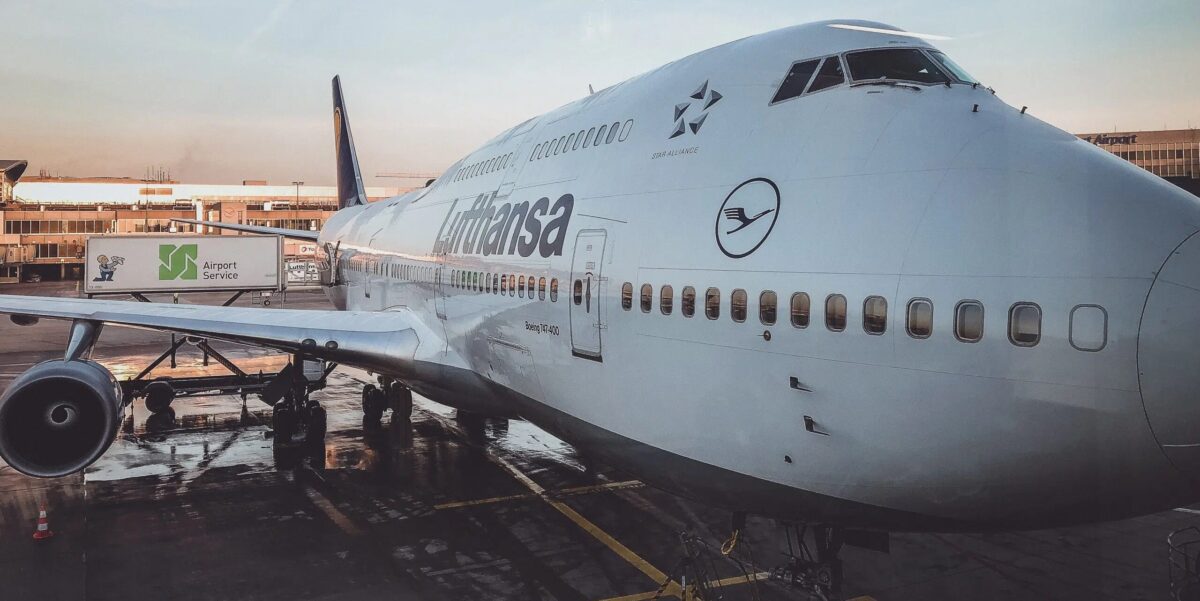
Lufthansa made big headlines last month, announcing the cancellation of 20,000 flights through October. It was one of the announcements that spooked many flyers with summer travel plans throughout Europe. But what was missed in that coverage was that Lufthansa is still scheduled to fly 2% more intra-Europe flights in 2026 than it did in 2025. And the cuts the German airline made weren’t sweeping. They just reduced some frequencies. Not to demean the fine folks of Bydgoszcz and Rzeszow, Poland, or Stavanger, Norway, but those are the only three routes that are entirely cut from Lufthansa’s summer schedule.
So, yes, some travelers heading to Bydgoszcz will have to rebook onto a connecting itinerary, but these cuts aren’t going to phase most travelers.
In the U.S., we’re also seeing some domestic flight reductions. Cirium says United reduced capacity about 2% while Delta and American cut back by 3% through September.
Overall, there will still be an overall increase in domestic flights in summer 2026 compared to summer 2025 (0.4% exactly, according to Cirium data), which means there are still plenty of flights to go around as of now.
How Can I Protect Myself From Cancellations?
If you’re still worried about your flight getting canceled, there are ways to protect yourself … but you are probably already in the clear.
First of all, if an airline cancels your flight and any part of that flight touches the United States or Canada, you are due a full refund of your fare by law, including the taxes and fees. Importantly, this is null and void if you take the flight on which the airline re-books you. So if you want the refund rather than the rebooked trip, you have to reach out to the airline to cancel and get your refund.
That will cover a lot of your trips this year, but even if you’re worried about those smaller intra-Europe flights, you’re covered, there, too. The rule is called EU261, and it entitles you to compensation for flight delays and cancellations on flights operating in Europe.
Read Next: Everything You Need to Know About EU261
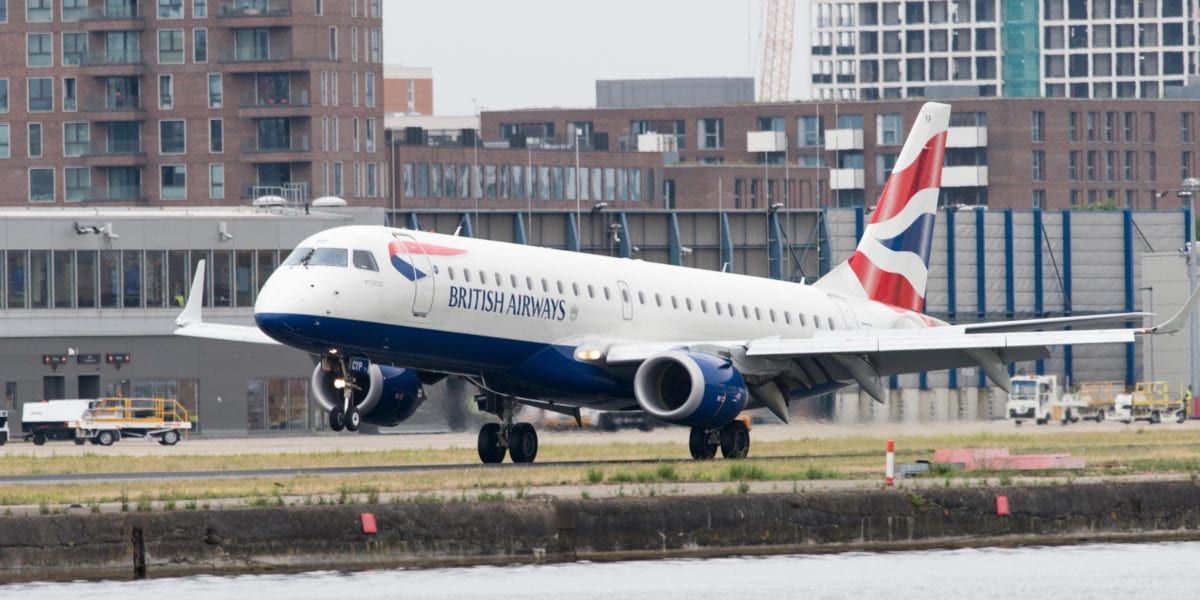
For two decades, Europeans have relied upon this rule to get a payday when things go wrong in the air: Up to 600 euros (or roughly $692 USD, as of publication), depending on the flight and length of the delay. In some situations, travelers are even guaranteed free meals and hotel stays, too. And despite its exit from the European Union, a similar rule applies in the United Kingdom.
So, you’re probably covered in case something goes awry on your trips here at home or in Europe, but just in case, there are a few things you can do to protect yourself:
- Book a Flexible Main Cabin Fare: If you haven’t booked yet, make sure you get the slightly higher fare (usually called “Main Cabin” or above) to give yourself maximum flexibility. These fares often come with free changes, so if you see issues starting to arise, you can re-book yourself into alternate options or cancel and take the train or a rental car instead.
- Book a Points and Miles Fare: It’s the same thing as number one, but better. By using points and miles to book your flight, when things go wrong, you don’t have to worry about refunds or dealing with the airline to get your money back. You still might have to go get your points back, but at least you aren’t out cash money in the meantime.
- Book a Backup Flight: Use Google Flights (or better yet, your points and miles) to find another flight on another airline for the same day of your travels. Make sure you book it flexibly so you can cancel if things do go smoothly with your travel and make sure to remember that you booked it so you can cancel!
- Book Alternative Transportation: This is harder in many parts of the vast United States, but in Europe, train travel can be convenient, easy, and downright enjoyable! Book yourself a refundable train ticket or rental car so that if your flight gets nixed, you still have an option.
Bottom Line:
A slew of flight cancellations this spring have travelers worried about their summer trips, but not everyone needs to be concerned.
I’ll reiterate my stance here: Unless a worst-case scenario fuel shortage grounds flights all over the world, I think most travelers will not face many disruptions this summer. That said, it’s be smart to have a good plan B, especially if you can do it without risking your points or money for your trip this summer.