


Editor’s Note: The TSA confirmed late Sunday morning that PreCheck would continue running as normal at airports nationwide, contradicting the Department of Homeland Security’s announcement on Saturday. This story will be regularly updated.
The Transportation Security Administration (TSA) said Sunday morning that TSA PreCheck “remains operational with no change for the traveling public,” reversing course less than 18 hours after top Trump administration officials said it would shut down both the security service as well as Global Entry.
In a surprise statement Saturday, Homeland Security Secretary Kristi Noem announced the closure of those two popular trusted traveler programs, saying it was necessary for “prioritizing the general traveling population at our airports and ports of entry” after funding for her agency and its employees lapsed in mid-February. That closure was supposed to take effect at 6 a.m. ET Sunday, causing chaos, confusion, and concern about major delays at security checkpoints as travelers nationwide headed to early morning flights.
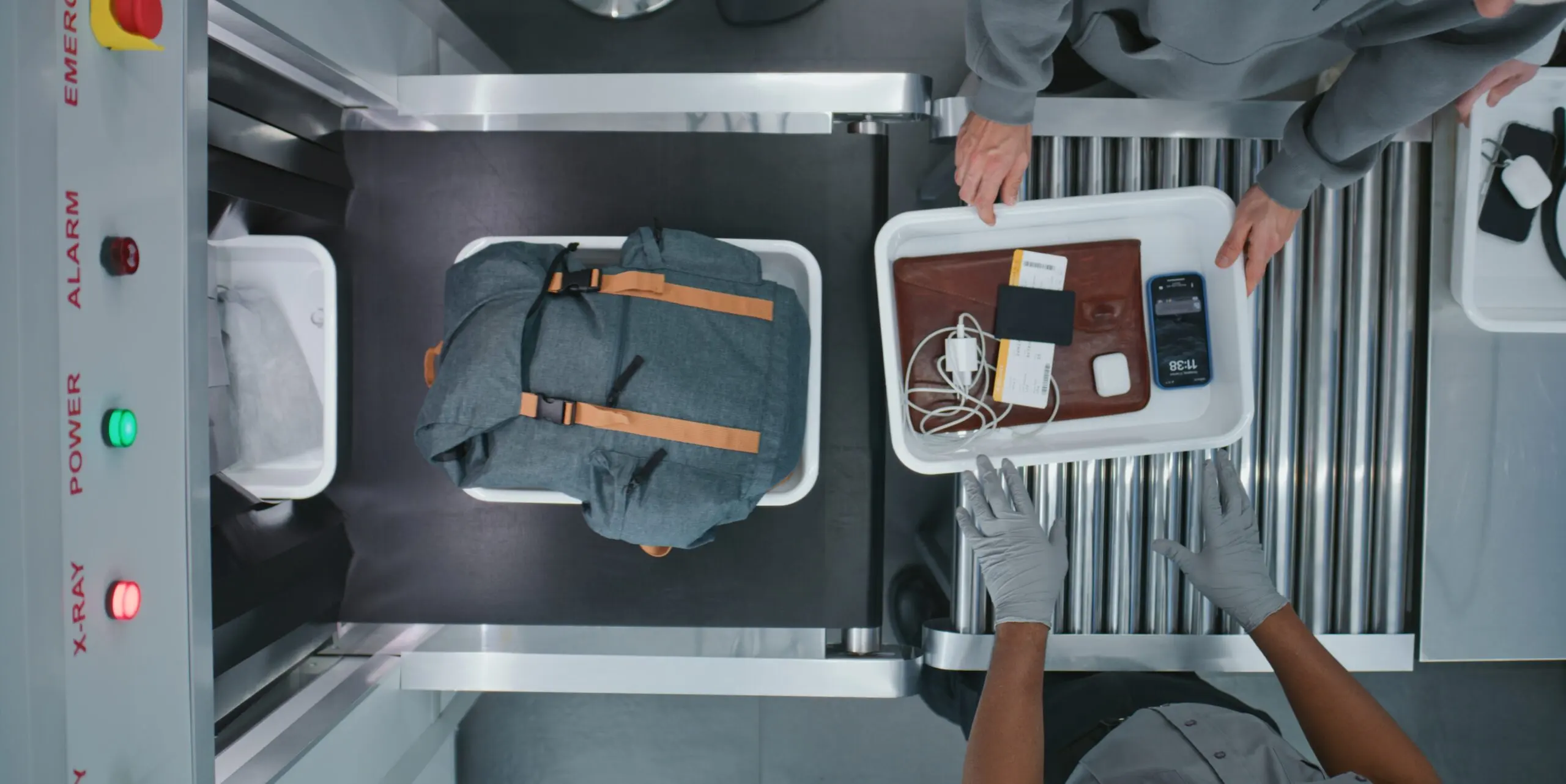
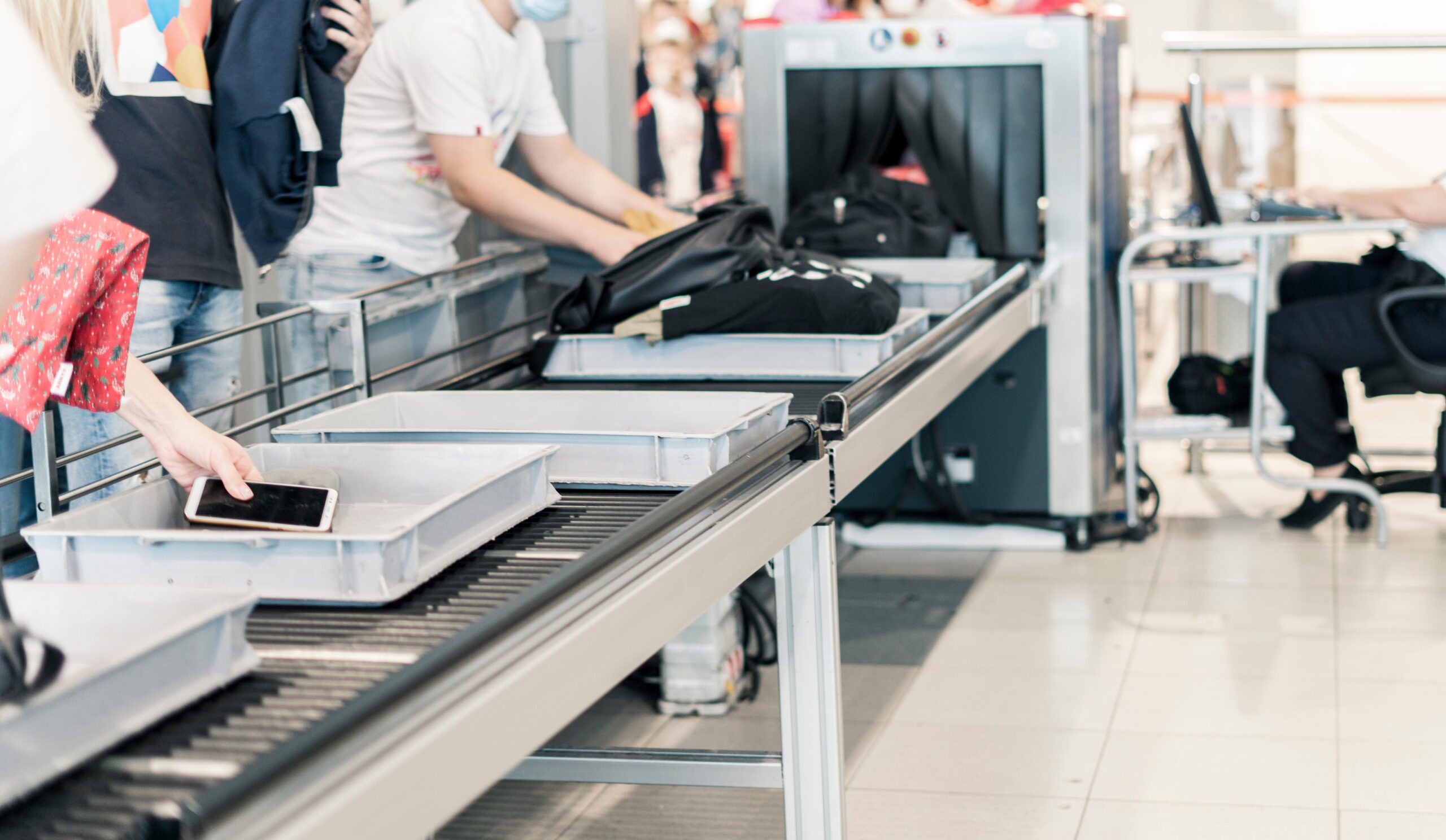
But by mid-morning Sunday, it was clear that PreCheck – a security fast-pass program with shorter queues that allows approved travelers to keep liquids and electronics in their bags – were operating as normal. The security agency eventually confirmed on social media that PreCheck service would continue without disruption.
“As staffing constraints arise, TSA will evaluate on a case by case basis and adjust operations accordingly,” the agency wrote.
The current status of Global Entry, for expedited re-entry for travelers returning to the U.S., is unclear. An official from Customs and Border Protection did not immediately respond to a request for comment.
It's just the latest turn in a slew of government shutdowns that have continually put travel in the headlines. Again and again and again in these funding disputes, everyday travelers have been used as leverage – a political pain point to try to force a funding deal in Congress.
This latest partial federal government shutdown is far less sweeping than the record-setting shutdown last fall, which led to weeks of delays and cancellations as air traffic controllers eventually stopped reporting for work. In this case, only funding for DHS has been held up amid a dispute over the Trump administration’s immigration crackdown in Minnesota, including the deaths of two citizens who were shot and killed by federal agents.
Airport security, customs agents, and other DHS employees are required to continue working unpaid, as they’re deemed essential. While delays occurred during previous shutdowns, neither trusted traveler program was outright halted.
Noem explicitly blamed Democrats for the closure in her initial announcement shuttering both programs, saying that “shutdowns have serious real world consequences.” On social media, Congressional Democrats accused Noem of “ruining your travel on purpose.”
Travelers took to social media Saturday night into Sunday, complaining about paying for a program that was being stripped away.
Normally, TSA PreCheck gets approved travelers into an expedited line at airport security checkpoints while Global Entry speeds up the process at customs and immigration after returning from abroad. Both programs require background checks to vet users and are largely supported by membership fees: $78 for a five-year PreCheck membership and $120 for Global Entry over a five-year span.
Noem argued pausing both programs was necessary to ensure federal employees can screen and process all travelers. In the end, that might have been counterproductive.
Both programs allow federal employees to handle far more travelers daily by expediting the process for approved registrants, improving wait times for all. That’s especially true of Global Entry, which is now largely automated through the use of facial recognition for identity verification at kiosks in airport passport control areas.
This is a developing story, check back for updates.