
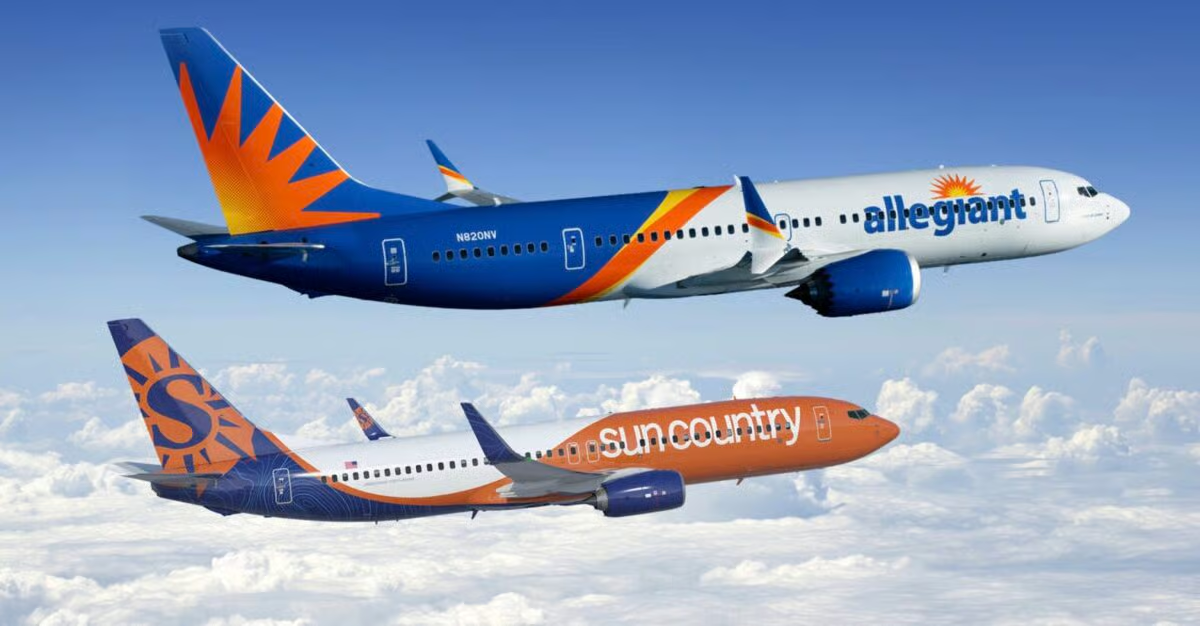



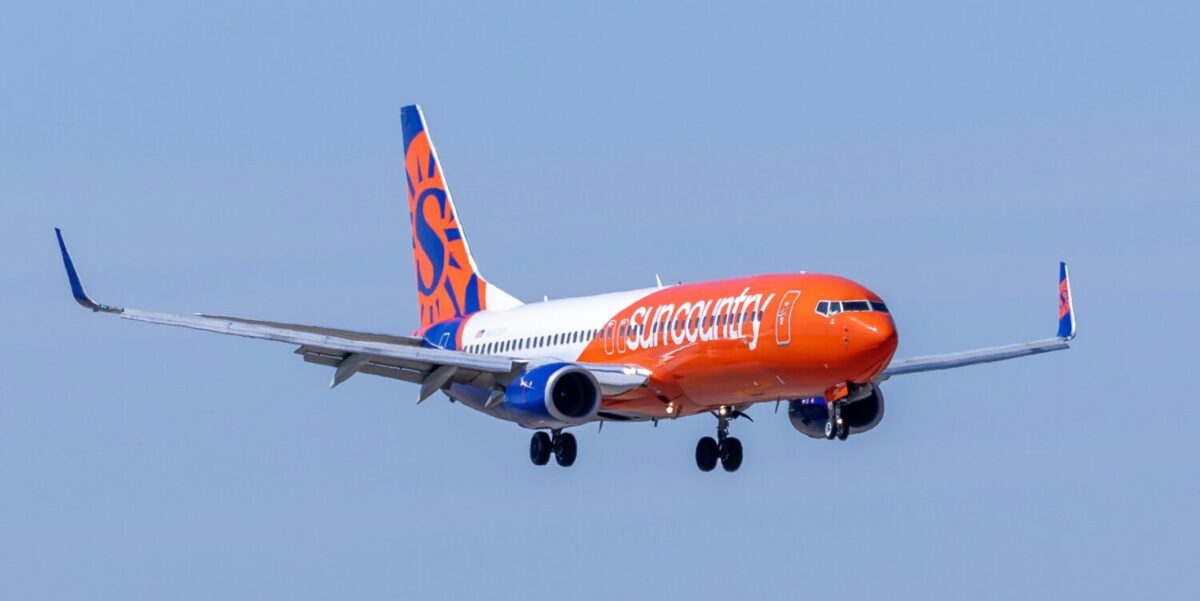
Ultra-low-cost carrier Allegiant Air announced plans Sunday to acquire Minnesota’s Sun Country Airlines in a $1.5 billion transaction, swallowing up a smaller budget airline in a move that could have major ramifications for Minnesota travelers on the hunt for bargain airfare.
The proposed merger would fold Sun Country's planes, pilots, and crews all under Allegiant's umbrella, creating one bigger budget carrier – though it would still be significantly smaller than either Spirit or Frontier, according to airline data. With a deal expected to close sometime in the second half of 2026, the combined airline would continue under Allegiant's name with its headquarters in Las Vegas.
Allegiant said it would maintain a “significant presence” in Sun Country's Minneapolis-St. Paul (MSP) hub after the deal closes. But a long history of airline mergers suggests that there could be reductions in Minneapolis down the road. Sun Country CEO Jude Bricker – who worked at Allegiant before making the move to Minnesota – will only join the airline's board and serve in an advisory capacity.
In the short term, both Allegiant and Sun Country said there would be no immediate changes to upcoming Sun Country tickets, schedules, or its onboard experience. Translation? Don't worry if you're booked to fly with Sun Country in the weeks and months ahead.
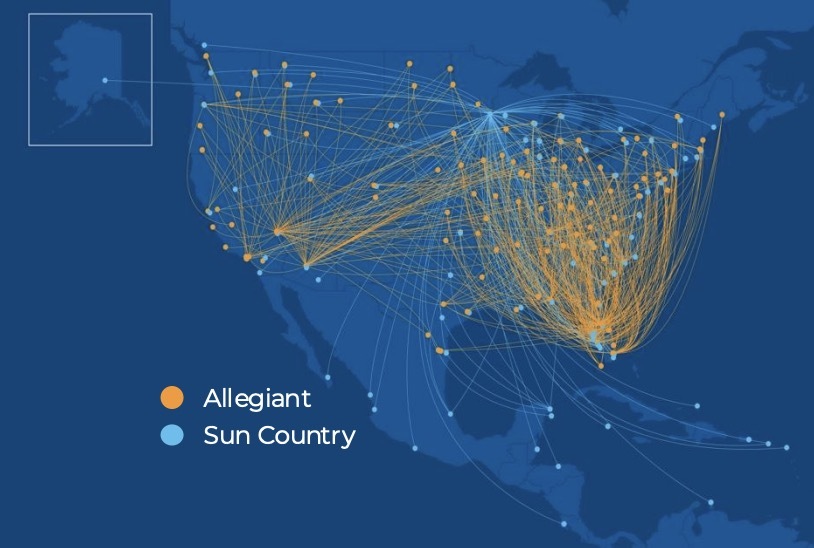
The deal will require approval from President Donald Trump's Department of Justice, which has taken a friendlier approach to consolidation than the Biden administration that blocked several airline deals, including JetBlue's proposed takeover of Spirit Airlines. And unlike many previous mergers, Sun Country and Allegiant are both relatively small and barely overlap today, meaning regulators may see less cause for concern than other takeover attempts.
Leaders from Sun Country and Allegiant addressed the proposed merger in a news conference Monday morning. There, executives from both airlines touted the airlines' networks and business models' compatibility for the investors on the call, but also re-committed to Minneapolis-St. Paul (MSP) as a “strategic hub” for Allegiant. It also called Sun Country's employees, “core to our future success” calling MSP “in important base of operations.”
Additionally, Bricker predicted “more seats and lower fares” for the MSP market, explaining that Sun Country's Terminal 2 home will be busier throughout the day instead of the morning and mid-afternoon hours it currently sees swelling crowds. Both executives said a “mid-continent base” for Allegiant would be a smart addition to the airline's Vegas (LAS) and Orlando-Samford (SFB) bases.
“This combination is an exciting next chapter in Allegiant and Sun Country’s shared mission in providing affordable, reliable, and convenient service from underserved communities to premier leisure destinations,” Allegiant CEO Gregory Anderson said in a written statement.
This merger is just the latest sign of turbulence in the U.S.'s low-cost carrier market, which has fallen out of favor in the post-pandemic travel boom. Spirit Airlines is in its second round of bankruptcy proceedings and yet another run of the rumor mill about an acquisition by Frontier.
Sun Country has been far more successful, posting profits for years as it challenged Delta's dominance in Minneapolis while branching out into flying packages for Amazon and ferrying college football teams and professional soccer squads across the country.
Sunday's surprise merger announcement could change everything.
What Allegiant's Acquisition Means for Minneapolis
If the merger moves ahead, it'll be the end of Sun Country in name: an airline with a storied yet often complicated brand.
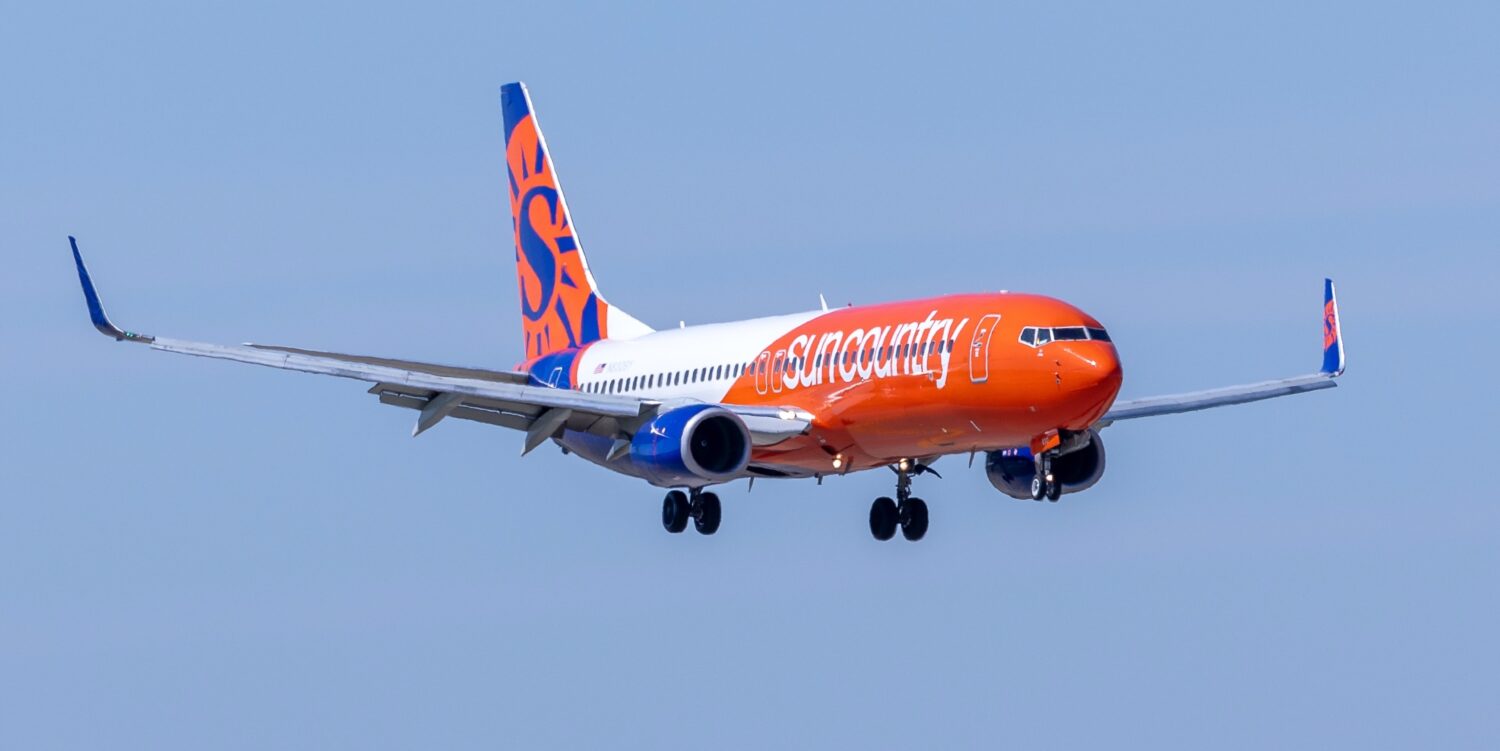
Sun Country has been a household name in Minnesota for decades after starting up service in 1982 in the wake of Braniff International's collapse. After years of financial struggles operating as a beloved full-service hometown carrier, the airline began an unpopular transition to a low-cost model before the pandemic – complete with fees for everything from bags to seat assignments to buying your tickets at the airport and installed smaller seats, to boot. Its reputation took a major blow after stranding hundreds of passengers in Mexico in April 2018 … and never fully recovered.
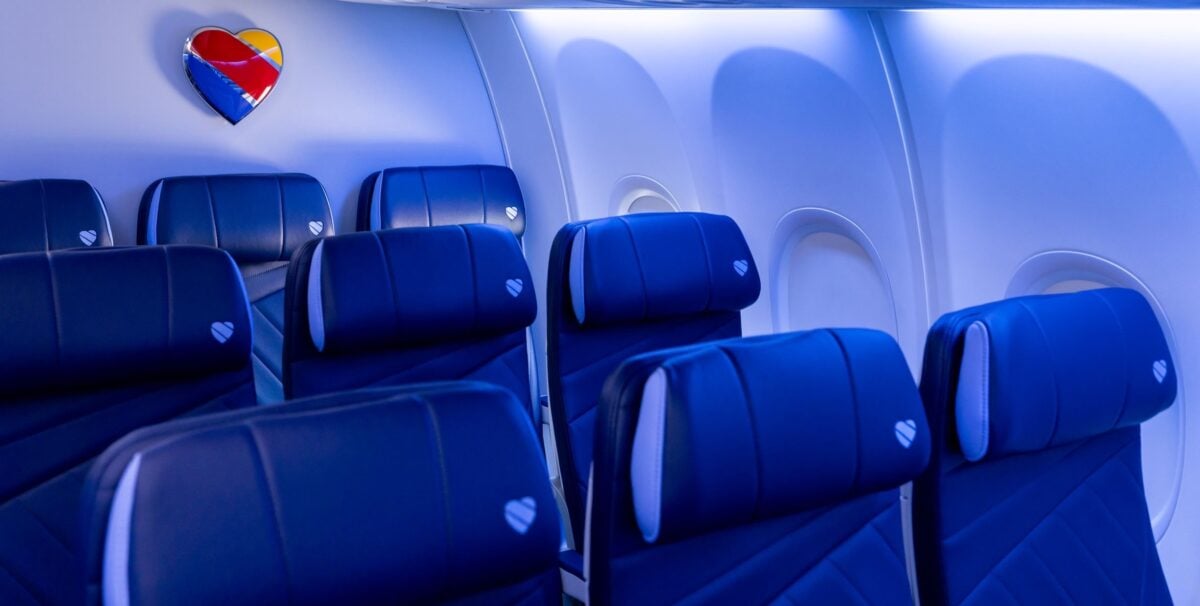
Yet Sun Country prided itself on being a different kind of low-cost carrier. While it ripped out first class seats and shrank legroom throughout the cabin, its seating was better padded than the ultra-slimline seats that Frontier, Spirit, and even Allegiant use on their planes. Even as those competitors charged for water, Sun Country served free soft drinks and sold snacks and craft beers with a Minnesota flair.
As the rest of the budget airline industry struggled with higher costs and dipping demand after the COVID-19 pandemic, Sun Country grew fast, going public in 2021 and challenging Delta's dominance in Minneapolis. It turned the airport into what its CEO dubbed “a two-airline market.” Most importantly, Sun Country's $89 one-way fares have given Minnesota travelers a cheaper alternative to Delta's pricier fares but also forced the Atlanta-based airline to compete on price, bringing fares down across the board.
That's what could be at stake with this proposed merger. While they might both be budget airlines in name, they're drastically different in practice.
Overnight, complimentary drinks could disappear and over time, Sun Country's more comfortable seating could disappear, too. But bigger picture, the changes could be even more drastic.
When airlines buy one another, what they're really looking to buy is planes and pilots to fuel future growth. While Sun Country has been all-in on Minneapolis for decades, Allegiant focuses on operating flights between smaller airports all across the country – routes where it can have a monopoly and charge higher fares.
Even with the Sun Country name gone, Allegiant says it would maintain a significant presence in Minneapolis – it called the airport an “Important Base of Operations and Key Anchor City” in its press release announcing the merger. But what if Allegiant eventually decides to give up the fight against Delta and instead fly those planes between Las Vegas or southern Florida and other, smaller airports?
Aside from planes and people, the biggest win for Allegiant is swallowing up Sun Country's international service down to Mexico, the Caribbean, and Central America – service Allegiant has lacked. But again, what if Allegiant decides it's better to fly down to the beach from St. Petersburg (PIE) rather than Minneapolis-St. Paul?
Sun Country has relished its role as a scrappy (and cheaper) alternative to Delta. Allegiant's entire identity is built around avoiding competition altogether. Case in point: After a four-year run, Allegiant exited Minneapolis entirely just last year.
Bricker, Sun Country's CEO for nearly a decade, won't play a large role once the transaction clears. He'll join the combined carriers' board of directors but only serve in a day-to-day advisory role to Allegiant's current CEO “to help ensure a smooth and successful integration.”
Allegiant also indicated it will continue Sun Country's cargo operations on behalf of Amazon – a major upside for the Minnesota airline the last few years as travel demand has plateaued.
This is a breaking news story – check back for updates.


Thanks for the interesting analysis as always, Kyle. It makes a difference having someone with a real connection to and knowledge of the airline industry in Minneapolis-St. Paul to be reporting on this.
Btw, it looks like One Mile at a Time may have copied your article title, whether intentional or not… https://onemileatatime.com/news/allegiant-sun-country-merging/