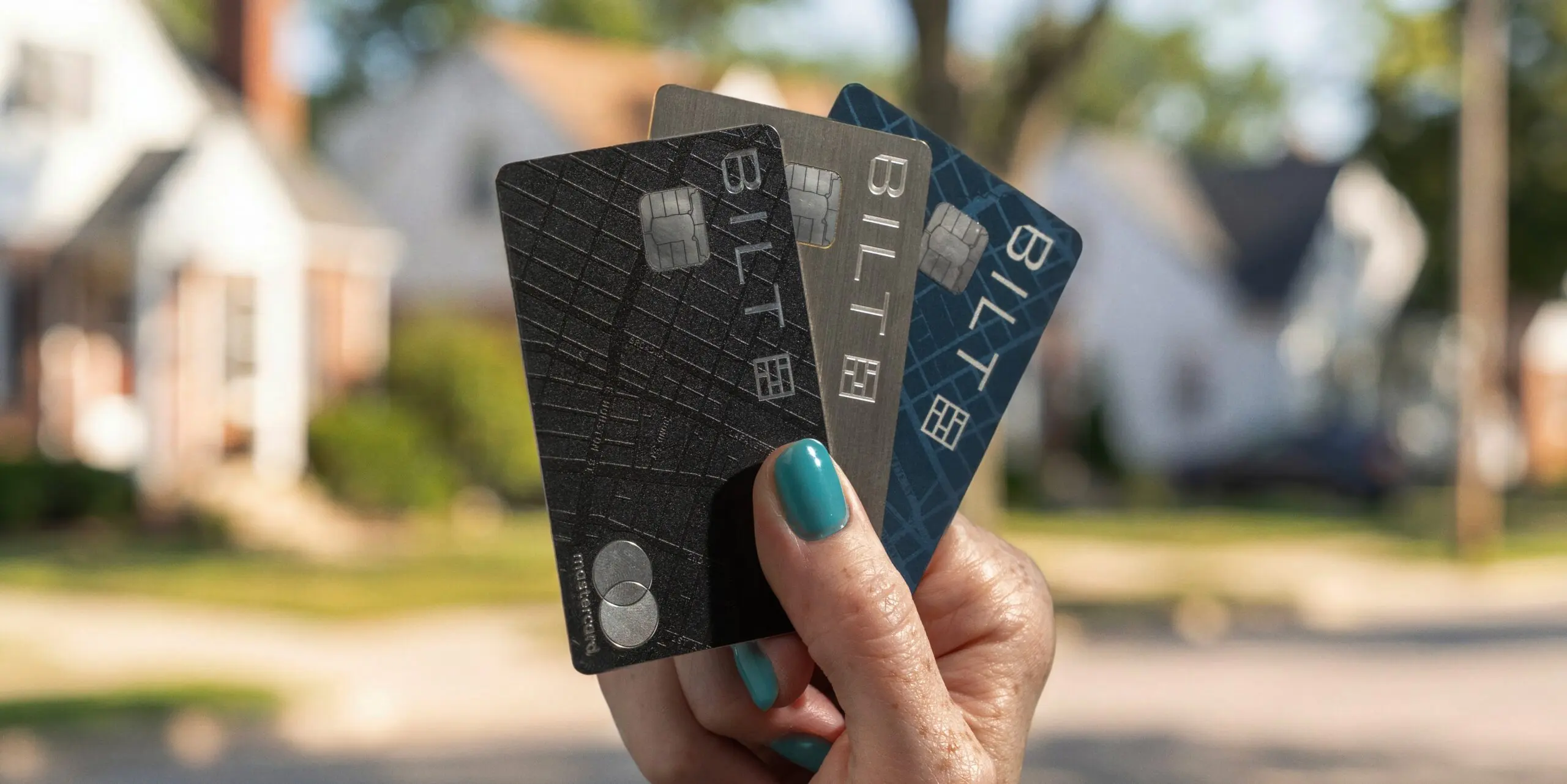



I’ve had the *Bilt Palladium* since it launched in early February, but it took me until April to actually pay my mortgage on it. After all the noise around the Bilt 2.0 rollout, I wanted to let the dust settle before I routed thousands of dollars a year through a rewards program still actively rewriting its own rules.
Last week, I finally did it. My April mortgage payment went through clean, and I came out on the other side with a stack of Bilt points on a bill I was going to pay anyway.
For homeowners, this is one of the biggest cheat codes in the points and miles world, and the process was simpler than I expected once I sat down to do it.
Here’s exactly how it works.
What Changed My Mind
The Bilt 2.0 backlash was real and deserved. Bilt had to walk parts of it back within days, and the two parallel ways to earn points on housing are still more complex than they need to be. If you’d asked me in February whether I was going to move my mortgage over, I’d have told you to check back in six months.
But a few weeks ago, I decided the holdout no longer made sense as I was leaving valuable points on the table.
The launch chaos has calmed, the earning paths are clearer, and the one thing that matters most to me – the transfer partner lineup with Hyatt, Alaska’s Atmos Rewards, Japan Airlines, United, and more hasn’t changed.
So earlier this month, I flipped the switch.
How You Actually Pay Your Mortgage (or Rent) With Bilt
Here’s how it works, from start to finish.
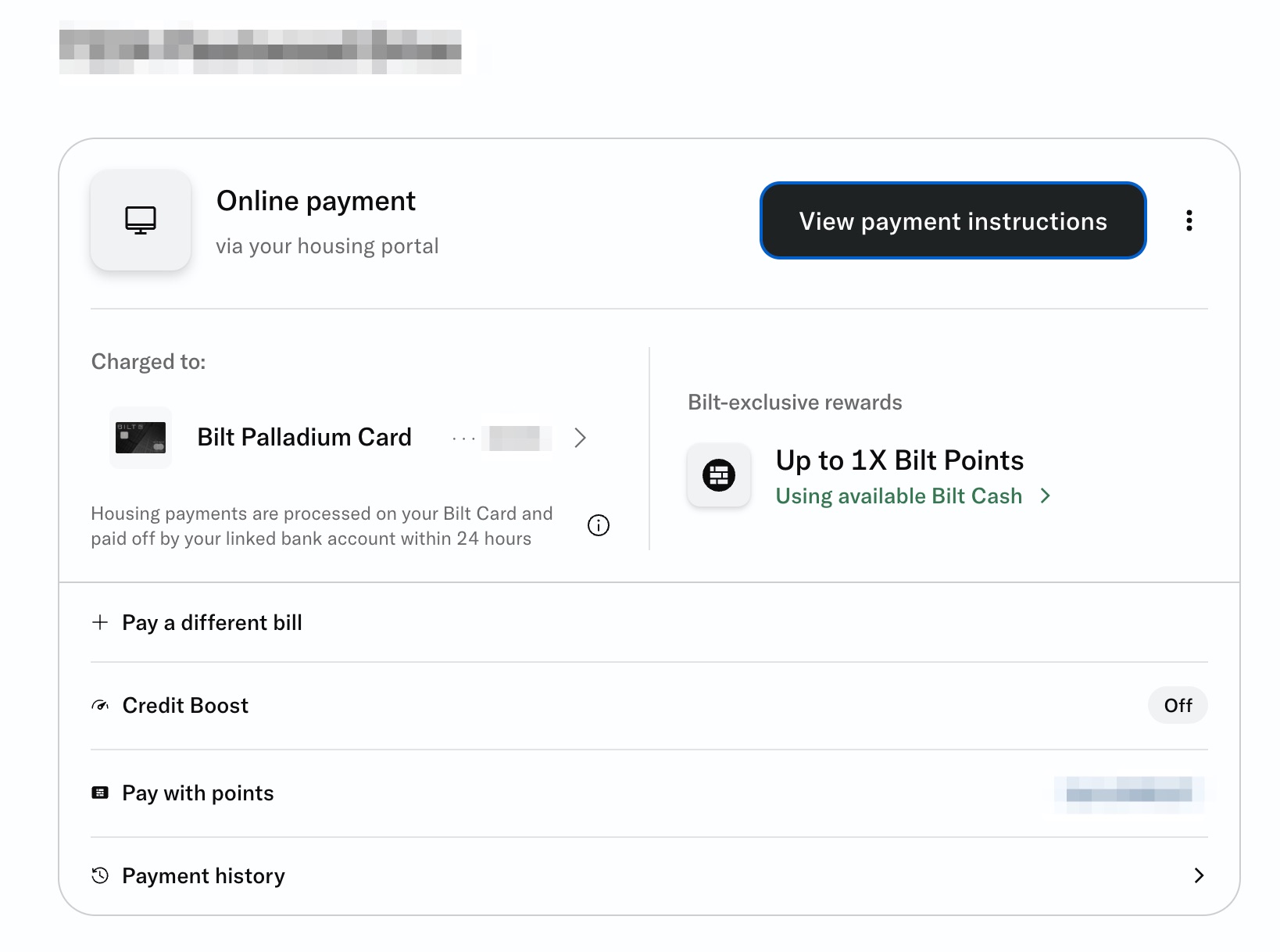
Bilt Gives You Routing and Account Numbers Inside the App
Bilt calls this “BillPay.” The numbers live under the “Home” section of your Bilt account. To find them, select “View payment instructions” after you’ve added your home.
It looks and functions like a bank account, but it’s a Bilt-operated pass-through tied to your Bilt card membership.
You Plug Those Numbers Into Autopay with Your Mortgage Servicer
For me, that meant logging into my mortgage company’s website, opening the autopay settings, and entering the Bilt-provided routing and account number as the account to pull from each month. If you rent, the mechanics are identical – you’re entering the same numbers into your property management portal instead.
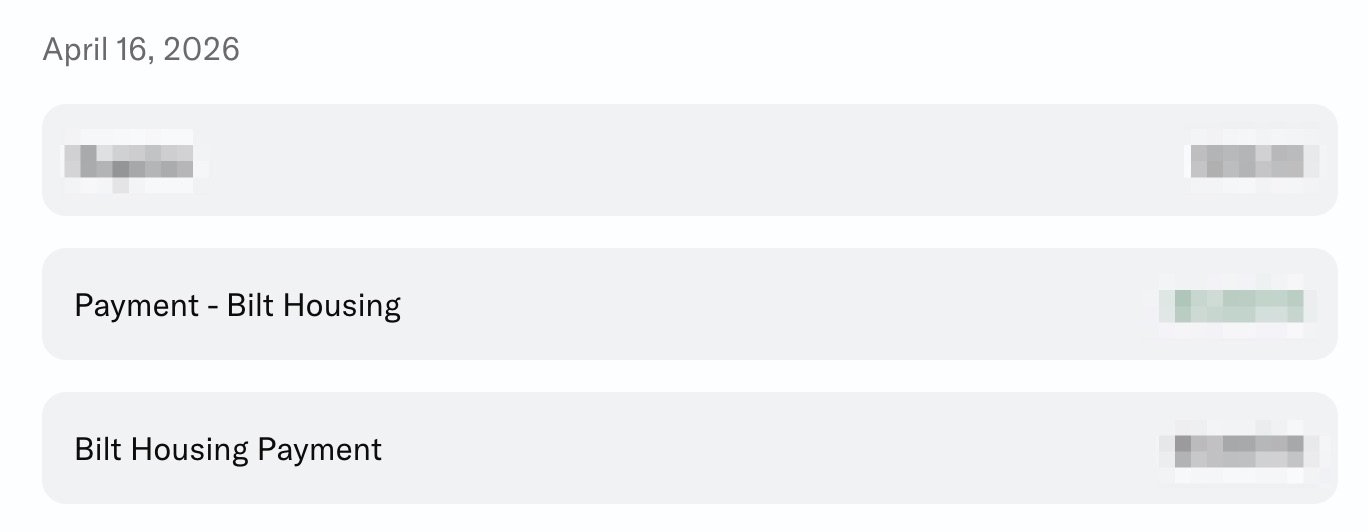
From there, everything runs on autopilot. When the payment date arrives, your mortgage servicer’s autopay pulls funds from the Bilt BillPay account, exactly as it would with any other bank account. On April 16, my mortgage came due, and the pull initiated without any action on my end.
But here’s the part that threw me for a second: The full mortgage amount appeared on my Palladium Card as a pending purchase. It’s not a real credit card charge; within hours, the pending charge disappeared, and the debit was posted to my Bilt-linked checking account.
Bilt says this can take about a day, but mine cleared faster than that. More importantly, your available credit on your Bilt card is never truly affected.
The points you’ll earn from the transaction should post based on your chosen earning path (more on that in a second).
The net result? Your mortgage servicer (or landlord) gets paid on time, and your real money flows from your bank account, exactly as it always did. The only thing that changed is that Bilt is now in the middle of the transaction, and you earn valuable points from it.
For a homeowner already making the same payment every month, this is as close to free money as points earning gets.
The Bilt Cash Path: What I’m Using
Here’s where Bilt’s convoluted earning structure rears its head. There are two ways to earn points on your housing payment, and you can only pick one. I went with the Bilt Cash path, and the reason is pretty simple – the *Bilt Palladium* has become my primary everyday spending card.
Here’s how the Bilt Cash method works: Every $30 of Bilt Cash you redeem unlocks the ability to earn 1,000 points on your housing payment. Bilt Cash is a separate currency from Bilt points, earned alongside them – and with the Palladium, you earn 4% Bilt Cash on all non-housing spend on top of the card’s 2x points.
On a $2,000 monthly mortgage – not my actual mortgage payment, but a round number that’s easy to work with – earning a full 1x back means redeeming $60 of Bilt Cash each month for 2,000 Bilt points. So for $60 in a cash-like rebate currency, you get 2,000 transferable points that can move 1:1 to Hyatt, Alaska Airlines, Japan Airlines, United, and more.
Where does the $60 come from? For me, every day spending handles it. Fortunately (or unfortunately), I’ve got a big recurring charge that makes it almost automatic: my daughter’s daycare bill, which I can pay with a credit card.
That one bill alone covers most of the non-housing spend I need to generate the monthly Bilt Cash required for a 1x-per-dollar mortgage spend. On top of that, the Palladium earns 2x points on that daycare payment – or 3x with the Point Accelerator active – on a charge that would only earn 1x almost everywhere else.
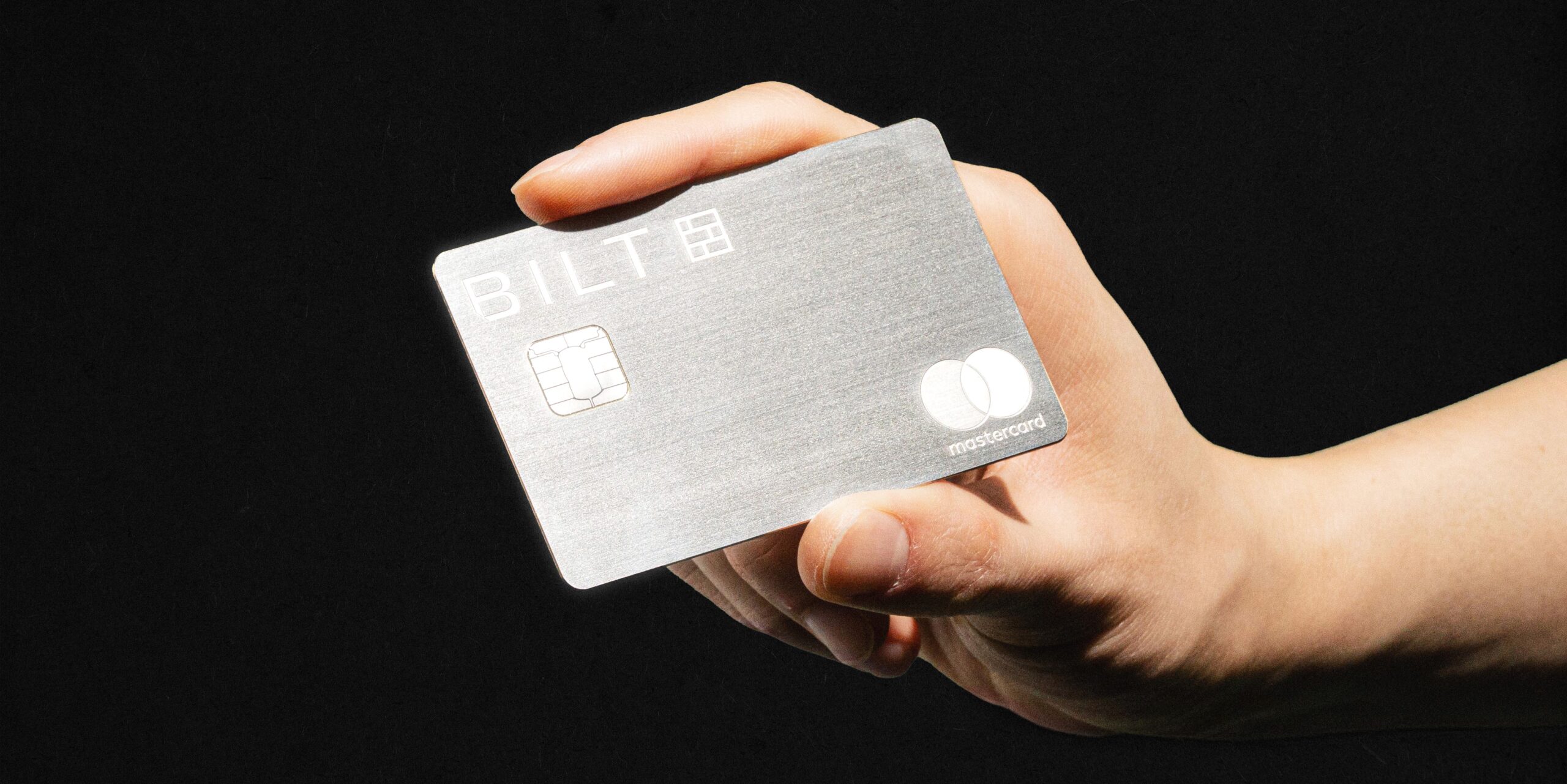
To be clear, I’m not running groceries, dining, or other bonus-category spend through the Palladium when I could earn a better multiplier on another card. The Palladium is my primary catch-all for charges that wouldn’t otherwise earn a bonus … and daycare is the big one.
It also helps that the Palladium front-loads the balance, too. The welcome offer includes $300 in Bilt Cash, and the card comes with a $200 Bilt Cash allotment each year just for holding it. Between those two, my Bilt Cash balance started ahead and stays ahead, which is the difference between Bilt Cash being a feature I use and a currency I have to manage.
Further, any Bilt Cash I don’t redeem for housing doesn’t go to waste. The Point Accelerator is a valuable perk that lets you spend $200 of Bilt Cash to earn an extra 1x on up to $5,000 of everyday purchases – effectively turning the Palladium into a 3x-everywhere card on that spend, plus the 4% Bilt Cash.
You can activate it up to 5 times a year, which means you can boost up to $25,000 in spending. Beyond that, Bilt Cash redeems dollar-for-dollar on Lyft rides, Bilt Travel hotel bookings, and a handful of other options.
Using Frequent Miler’s reasonable redemption value of 1.55 cents per point, earning 1x on a $2,000 monthly mortgage every month is worth $372 a year in travel – and that’s before counting the Bilt Cash I’m deploying on Point Accelerators and other redemptions along the way.
The Tiered Path: A Simpler Alternative
If you don’t want to think about Bilt Cash at all, there’s a second path that skips it entirely. The more you spend on everyday purchases with your Bilt card each month, the more points you earn on your housing payment.
Here’s the breakdown using a $2,000 monthly mortgage as an example:
| Points on Housing | Minimum everyday spend as a % of monthly rent / mortgage (Example of $2,000 rent) |
|---|---|
| 0.5x points | Spend at least 25% of monthly rent ($500) |
| 0.75x points | Spend at least 50% of monthly rent ($1,000) |
| 1x points | Spend at least 75% of monthly rent ($1,500) |
| 1.25x points | Spend the same or more as your monthly rent ($2,000) |
If you don’t hit the lowest threshold, you still earn a 250-point floor for the month.
The tradeoff here is that you forgo Bilt Cash entirely – no Point Accelerators, no Lyft credits, no Bilt Travel redemptions. Just the straight earn on housing plus whatever you’re getting from the card’s base 2x on everyday spend.
For Palladium cardholders specifically, I think passing up the welcome offer, Bilt Cash, and the annual $200 allotment is leaving too much on the table. But for someone who wants the mortgage points to show up without ever thinking about Bilt Cash, the tiered path is clean and easy to understand.
Not sure which path is better for your situation? MaxMilesPoints built a free Bilt calculator that lets you enter your monthly housing payment and typical non-housing expenses to see which path makes the most sense for you.
It’s worth running your own numbers before you commit to either option.
Bottom Line
Bilt 2.0 stumbled out of the blocks, but the ability to earn points on your rent or mortgage payment is the single feature that still makes the Palladium a compelling card – especially for homeowners with no other good way to earn points on their biggest monthly bill.
The mechanics are relatively straightforward, and once you spend 10 minutes setting it up initially, earning points on your housing payments will (mostly) be on autopilot.



how are you able to pay your daycare bill with bilt? do you use it as a traditional credit card or as an ACH like the mortgage payment. I dont think i’m allowed to pay with a credit card but i might be able to ACH it. does the daycare provider charge you a fee to pay with credit card? It would make the card totally worth it if I could pay that bill on it!
thanks!
I am paying it with the Bilt credit card, not through ACH. They do charge a small fee, but being able to earn 3x Bilt points on the transaction offsets it (and allows me to earn on my mortgage by helping me stack Bilt cash).
How do you redeem dollar for dollar on Lyft? I also have not been able to use the hotel credit one time. In many countries outside the US I tried to redeem and always got an error when I went to confirm booking. So I have $450 of BILT cash at the moment that is seemingly useless.