
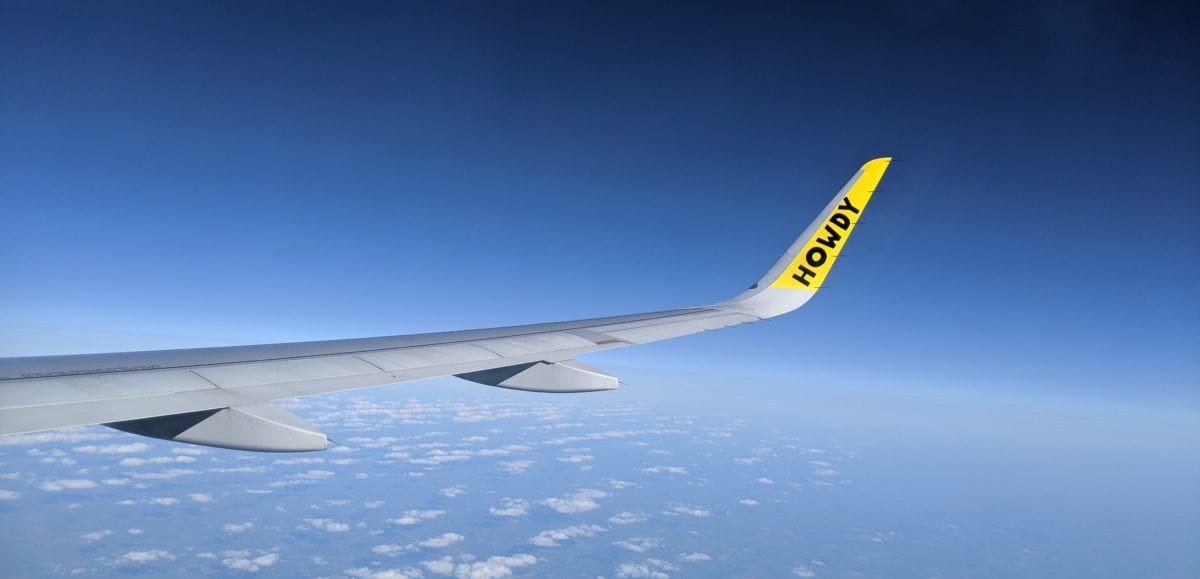



The U.S. government may be about to become the majority owner of Spirit Airlines.
Sources told the Wall Street Journal on Wednesday that federal officials in the Transportation and Commerce Departments are considering a deal that would loan Spirit $500 million in exchange for an ownership stake in the airline. Bloomberg reported that the stake could reach as high as 90%. Nothing formal has been agreed upon as of Wednesday afternoon.
Government bailouts of the airline industry aren’t new – the federal government stepped in after Sept. 11 and again during COVID-19. But those were industry-wide rescues. Singling out one struggling carrier for a bailout of this scale, and taking an ownership stake while doing it, is something else entirely.
During the 9/11 and COVID bailouts, the government received warrants – essentially options to buy stock – from most major U.S. airlines, but those ownership stakes were small and largely temporary. A Yahoo Finance analysis from August 2025 showed the government still held just 0.01% of JetBlue left over from the COVID era.
A 90% stake would be a different category altogether. It’s not unusual for governments to own shares in their national carriers – France owns 28% of Air France, Finland owns 55% of Finnair – but ownership at that level is something you typically see in developing nations, not the world’s largest economy. It would make Spirit, which filed for bankruptcy in both 2024 and 2025 while its competitors were posting record profits, the de facto flag carrier of the United States.

Those competitors have taken notice, too. In its earnings call on Wednesday, United Airlines CEO Scott Kirby pounced, saying, “Well-run airlines are still solidly profitable even in this environment … I don’t think this crisis is anywhere near big enough to cause the need for an airline bailout.”
Kirby added later, “The Spirit business model is fundamentally flawed, and it’s going to fail.”
Transportation Secretary Sean Duffy, who was reportedly in meetings with Trump Tuesday night, expressed a similar sentiment a day earlier than Kirby, telling Reuters that a bailout of Spirit would be sending “good money after bad.”
His boss, President Trump, disagreed, telling CNBC, “I’d love somebody to buy Spirit. It’s 14,000 jobs, and maybe the federal government should help that one out.”
We never root for Spirit to fail. We didn’t root for it to happen when things looked bleak in December. We didn’t root for it to happen about a week ago, when signs of the carrier’s demise reappeared. Even if you never fly Spirit Airlines, having a healthy ultra-low-cost carrier like Spirit in the U.S. flight market lowers prices for all flyers. Without them, fares are going to go up as the major airlines realize they no longer have to compete on price.
Bottom Line
Reports say the U.S. Government is considering a $500 million bailout of Spirit Airlines, which could result in the U.S. owning a 90% stake in the low-cost carrier.
While government bailouts of the airlines are nothing new in the U.S., a bailout of a single airline that includes an ownership stake of this magnitude is unheard of. And the financial health of Spirit, which is in its second bankruptcy in two years, led one of the Trump Administration’s own officials to call a bailout “good money after bad.”


Perhaps the government considers it convenient to own an airline that has extra capacity while that government is flying out large numbers of people in the name of immigration control.